In this article
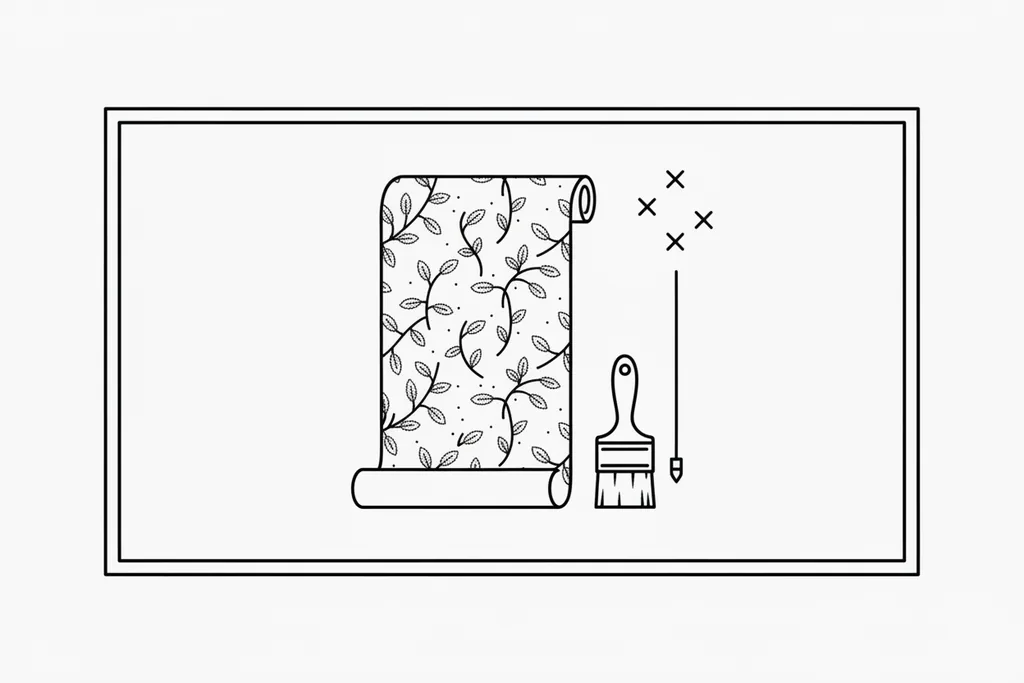
Removing wallpaper looks simple until you are standing in a half-stripped room with paper coming off in postage-stamp pieces and gouges appearing in the plaster. Done patiently and in the right order, though, it is a very achievable job — the secret is matching your method to the type of paper and resisting the urge to dig at the wall with a scraper.
Whether you are clearing dated paper before redecorating or prepping for fresh hanging, the goal is the same: bare, sound, paste-free walls. At Painters and Decorators Surrey we strip and re-hang walls regularly, so below is the approach we use to get paper off cleanly without wrecking what is underneath.
First, work out what you are dealing with
Not all wallpaper comes off the same way. Modern strippable and peelable papers often lift away dry in whole sheets — pick at a corner with a scraper and pull gently to test. Older traditional papers, and especially woodchip or multiple layers built up over decades, need soaking or steaming to release the paste. Vinyl and washable papers have a water-resistant top layer, so you usually peel that facing off first, then soak the paper backing left on the wall.
It also helps to know what is behind the paper. On solid plaster you can be fairly robust; on plasterboard (drywall) you must be gentler, because over-soaking or heavy scraping can tear the paper face of the board itself.
Prepare the room and your tools
Clear the room or sheet up the furniture, then protect the floor well — wet paste and paper make a real mess. Crucially, turn off the electricity to the room at the consumer unit before you introduce any water near sockets and switches, and tape over the faceplates. You will want a scraper or stripping knife, a sponge and bucket of warm water, a scoring tool for non-porous papers, and a wallpaper steamer for the stubborn jobs.
Method one: soaking with warm water
For ordinary porous paper, soaking is often all you need. Add a little washing-up liquid or proprietary stripper to a bucket of warm water, wet a manageable section generously with a sponge, and leave it to soak in for a few minutes so it can reach and soften the paste. Then slide a broad scraper under the paper at a shallow angle and push it away from you — it should come off in sheets. Re-wet anything that resists rather than forcing it. If the paper has a water-resistant face, run a scoring tool over it first so the water can get through to the paste.
Method two: using a steamer
For thick, painted-over or many-layered paper, a steamer does in seconds what cold water cannot. Hold the plate against the wall to let steam penetrate, then scrape while the paper is still warm and soft, working in sections. Keep the plate moving and do not linger too long in one spot, particularly on plasterboard, as prolonged steam can soften the surface beneath. A little patience here saves a lot of filling later.
Clean off every trace of paste
This is the step most people skip, and it is the one that ruins the next finish. Old wallpaper paste left on the wall stays slightly soluble, so paint or fresh adhesive applied over it can bubble, streak or fail to grip. Once the paper is off, wash the whole wall down with clean warm water and a sponge to lift the residue, then let it dry fully. Run your hand over it — it should feel clean, not tacky or slippery.
Prepare the bare wall for what comes next
With the wall stripped and dry, fill any dents, scrapes or old picture holes, sand smooth, and seal bare or patchy plaster before you paint or re-hang. Skipping this is the quiet reason a lot of new finishes disappoint, so our walkthrough on how to prepare your walls for painting is worth a read before you go further. If you are planning fresh paper rather than paint, the trends in our guide to top wallpaper trends for 2026 may give you some ideas.
When to bring in a professional
Multiple stubborn layers, delicate plaster in a period home, or paper that simply will not budge without damaging the wall are all good reasons to hand the job over. Our wallpaper hangers strip, repair and re-hang across Surrey and South West London, from Weybridge to the London borders, leaving walls ready for whatever you have planned. Request a free quote and we will help.