In this article
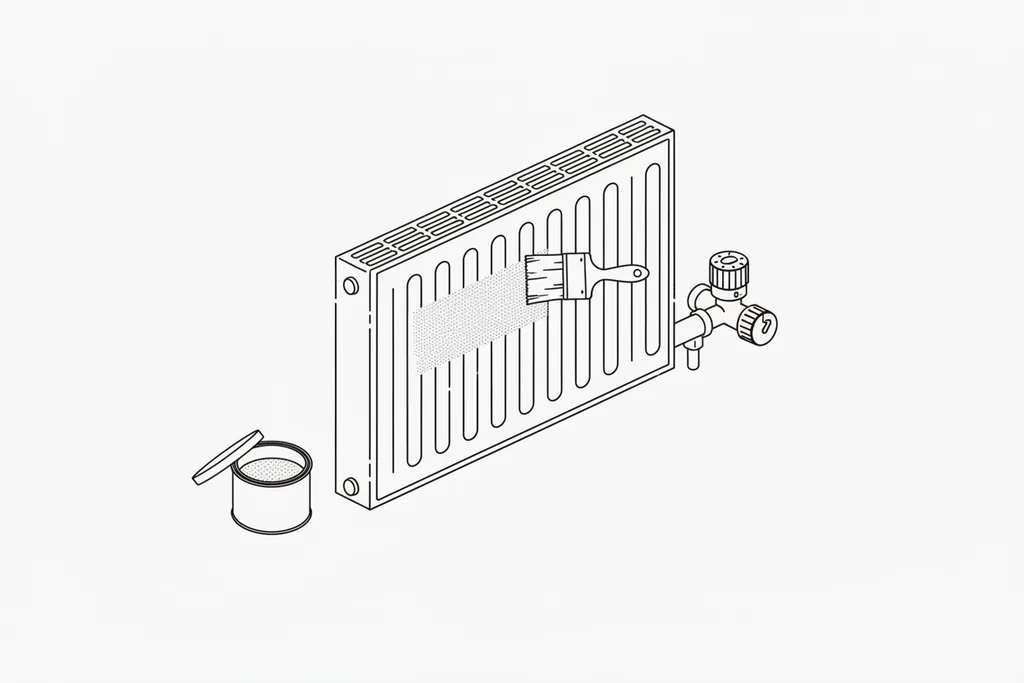
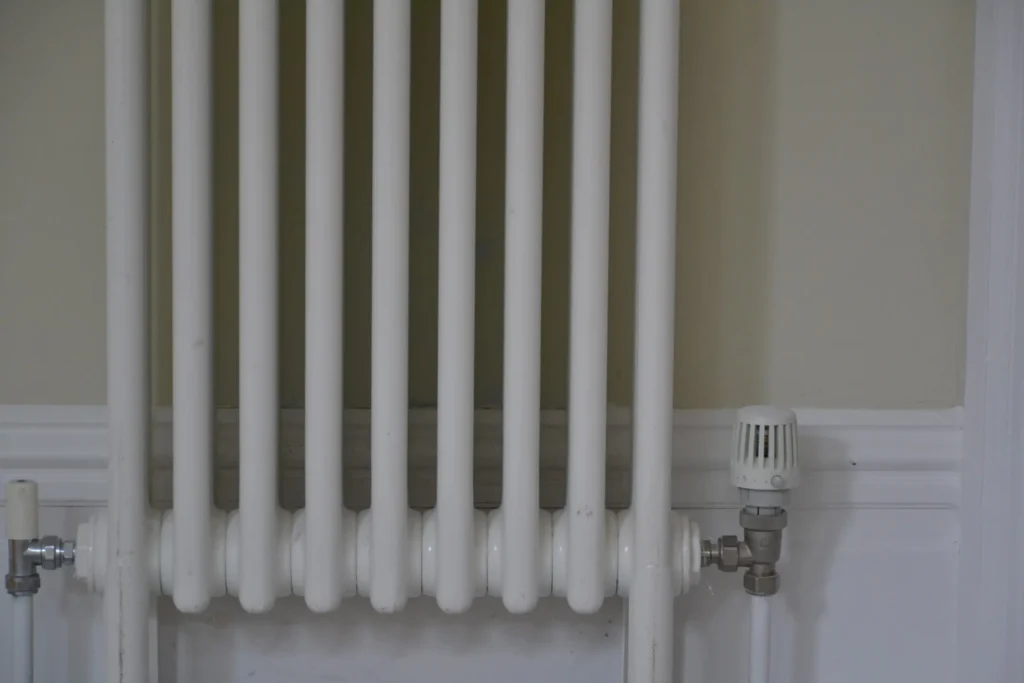
A scuffed, yellowing radiator can drag down an otherwise smart room. The good news is that repainting one is a job most Surrey homeowners can tackle over a weekend, provided you prepare the metal properly and use a paint built to cope with heat. Rush the prep or reach for ordinary emulsion and you will be sanding off flaking enamel again within a year.
This guide walks through the whole job in the order a professional would do it: choosing the right paint, stripping and priming the metal, then laying off a finish without brush marks.
Choose a heat-resistant radiator paint
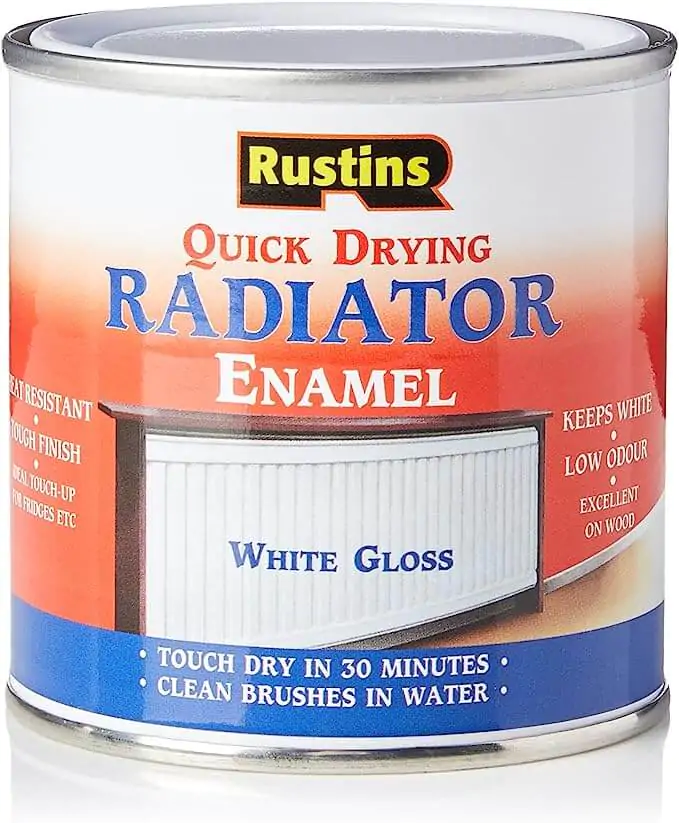
The single most important decision is the paint itself. Ordinary wall or trim paint will yellow, soften and eventually peel under repeated heating and cooling cycles, so use a product made specifically for radiators. A good radiator enamel is heat-resistant, bonds tightly to metal and carries anti-corrosion properties to hold rust at bay.
Most radiator enamels are rated well above the temperatures a domestic system reaches. A central-heating radiator rarely runs hotter than around 75 to 80°C, comfortably inside the tolerance of paints designed for the job. You also want a finish that shrugs off the occasional wipe with a damp cloth, which matters in kitchens and bathrooms where radiators pick up grease and splashes.
Solvent-based or water-based?
Traditional solvent-based radiator enamels give a hard, glossy shell but carry a strong smell and tend to yellow over time, especially on radiators tucked behind furniture or curtains. Modern water-based acrylic radiator paints stay whiter for longer, are low-odour and clean up with water, though the finish is usually a touch softer. For most rooms we would steer you towards a quality water-based enamel; in a busy hallway, the extra durability of a solvent-based finish can earn its keep.
Picking a colour
White is the default, but there is no rule that a radiator has to disappear. Match it to the wall behind to help it recede, or pick it out in a deeper shade to turn a cast-iron column radiator into a feature. If you do go white, note that not all whites age equally and a brilliant white can yellow faster than a softer one. Our guide to the best white gloss paint for woodwork and trim covers how to keep white from going buttery, which applies just as much to radiators.
Strip and prepare the metal
Preparation is where a radiator job is won or lost. Before any paint goes on, the surface needs to be sound, clean and grease-free, the same principle that governs every coating we apply, from walls to woodwork. If you are decorating the whole room at once, it is worth reading up on how to prepare your walls for painting so the radiator and the surfaces around it are tackled in the right order.
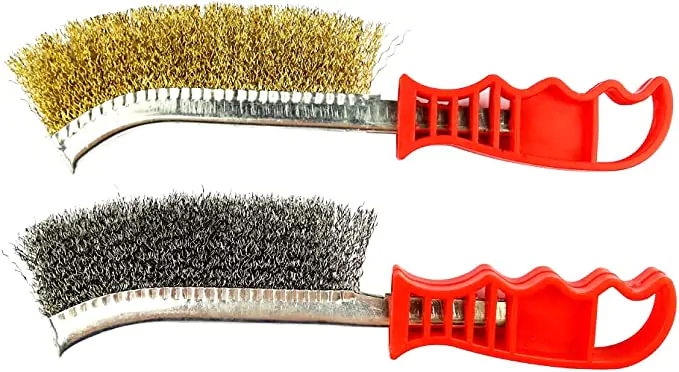
If the old paint is flaking or you have layers of tired enamel built up, strip it back. The shape of a radiator makes this awkward. A wire brush cannot reach into the narrow channels, a blowtorch risks distorting the metal, and a heat gun struggles because the large mass of steel pulls heat away from the surface as fast as you apply it. The reliable route is a chemical paint stripper made for metal.
Work through the prep methodically:
- Apply the stripper, give it time to soften the old paint, then lift it off with a metal scraper, working a stiff brush into the grooves.
- Sand any rusty or pitted patches back to bright, bare metal so the new paint has something solid to grip.
- Degrease the whole radiator with white spirit or a mild sugar-soap solution, then let it dry fully. Skipping this step is the most common reason a radiator finish later peels.
- Spot-prime any bare metal with a metal or rust-inhibiting primer. If the radiator is heavily corroded, prime the lot.
Always paint a cold radiator
Turn the heating off and let the radiator go completely cold before you start, unless the tin specifically states it can be applied warm. Paint a hot radiator with a standard enamel and it flashes off too quickly, leaving streaks, patchy colour and brush marks that only show up once everything has dried and the heating goes back on.
That fast skinning is also a classic cause of paint that stays tacky underneath, one of several reasons paint does not dry completely. A cool surface and thin coats give the enamel time to flow out and cure properly.
Application and safety
With the radiator cold, primed and dust-free, you are ready to lay on the topcoat. A few habits separate a smooth finish from a streaky one:
- Ventilate the room. Open a window and keep air moving, especially with solvent-based enamels. If fumes are a concern, a low-VOC water-based paint keeps the smell down considerably.
- Mask and protect. Lay dust sheets beneath the radiator, slide card behind it to catch drips against the wall, and tape off the valves and pipework.
- Use the right tools. A good one to two inch synthetic brush gets into the sections; a small foam or mohair roller covers the flat front panels quickly and leaves less texture. An angled radiator brush helps you reach behind slimline panels.
- Build thin coats. Two thin coats beat one thick one every time. Lay off in long, light strokes following the metal, let each coat dry fully, and key it lightly with a fine abrasive between coats for a flawless result.
- Cure before you heat. Follow the drying time on the tin and leave the heating off until the paint has cured, or you will bake brush marks and a lingering smell into the finish.
Done patiently, a freshly painted radiator looks crisp for years and stops a tired panel undermining the rest of your decorating. The work runs hand in hand with refreshing the woodwork and walls in a room, which is why it so often forms part of a wider interior painting project rather than a job on its own.
When to call in a professional
Brush finishes are fine for everyday panel radiators. But ornate cast-iron columns, period radiators and any job where you want a perfectly even, factory-smooth coat are far better spray-painted by a decorator who can mask, prime and finish the metal in situ. Cast iron in particular eats time and rewards proper kit. If stripping awkward sections has put you off, or you are repainting radiators across a whole house, our team covers homes and businesses throughout Surrey and South West London.
For a free, no-obligation quote on repainting your radiators, or on a wider decorating project, get in touch with our team and we will talk through the right finish for your radiators and the rooms they sit in.