In this article
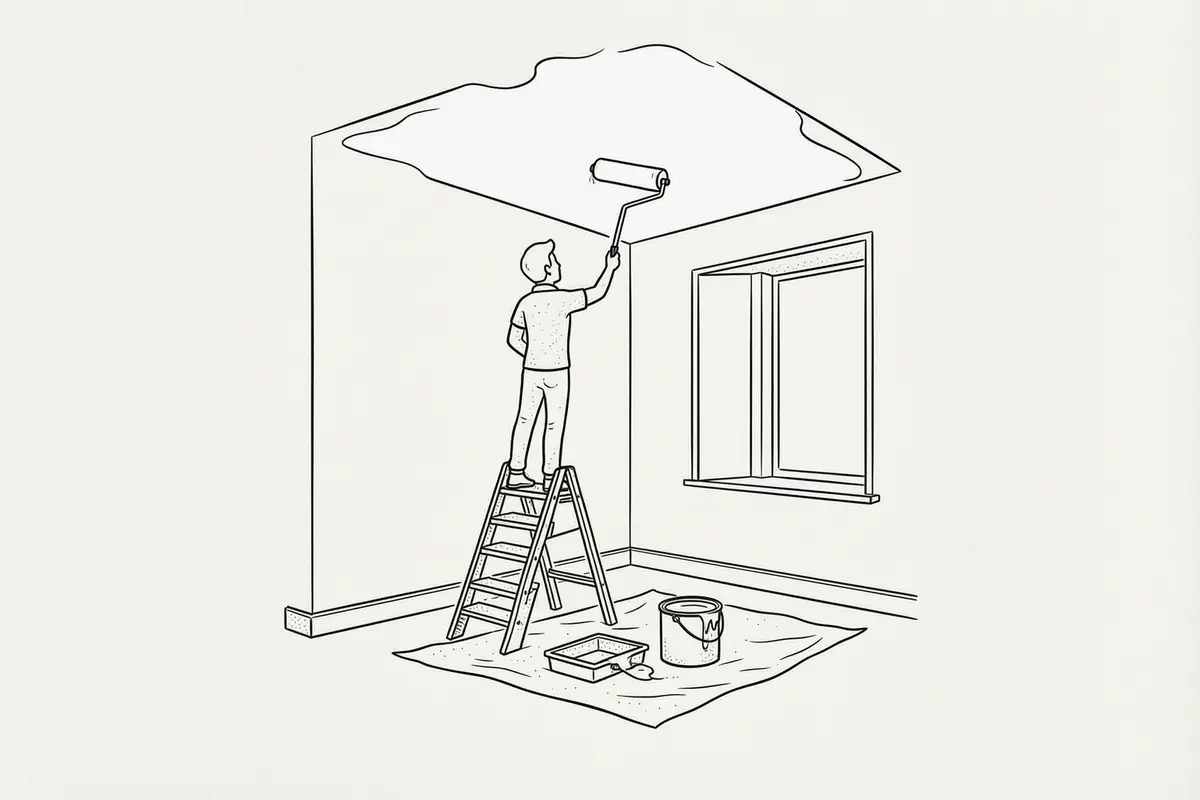
You finished the second coat last night. This morning the wall still feels tacky, your fingertip leaves a mark, and a faint paint smell hangs in the room. Before you reach for a third coat or assume you bought a bad tin, it is worth understanding what is actually happening, because in most cases the paint is fine and the conditions around it are the problem.
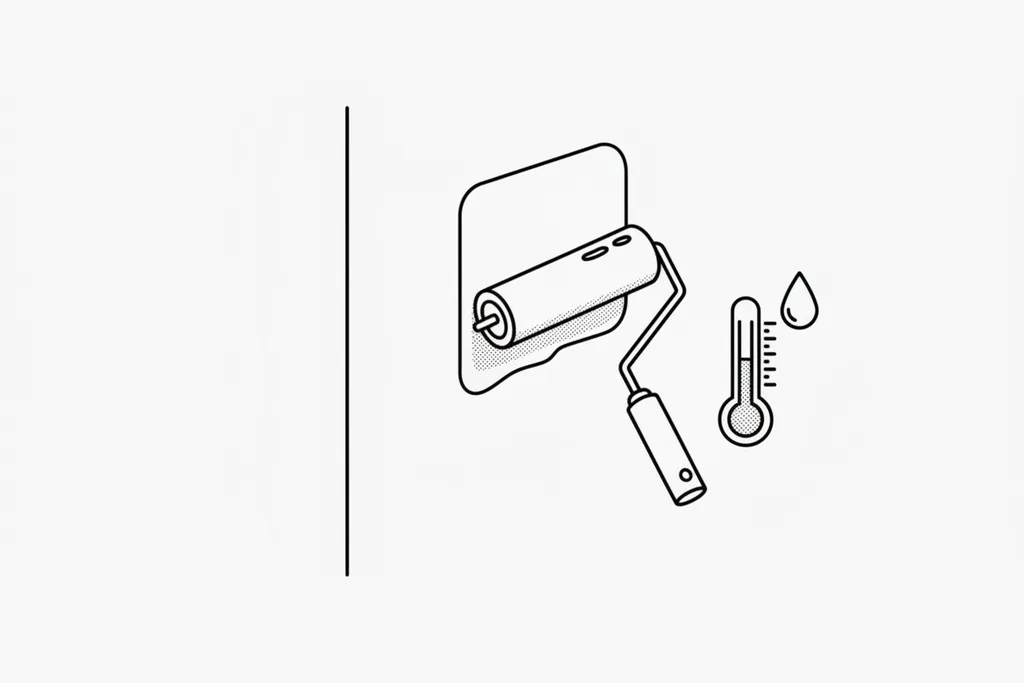
Paint does not simply set like glue. Water-based emulsion dries as the water evaporates and the resin particles knit together; oil-based and alkyd paints cure by reacting with oxygen, which is a slower chemical process. Both routes stall when the room is cold, the air is too humid, or the coat is too thick. Get those three right and almost everything else falls into place.
At Painters and Decorators Surrey we deal with stubborn, slow-curing finishes regularly, across older period rooms and newer homes alike, so below we have set out the real reasons paint stays tacky and what to do about each one.
The room is too cold
This is the single most common cause we see, especially on jobs that run through autumn and winter. Most household paints want a surface temperature of roughly 10°C or higher to dry and cure properly. Paint a hallway or an unheated spare room when it is 6°C and the film will sit half-set for days, or skin over on top while staying soft underneath.
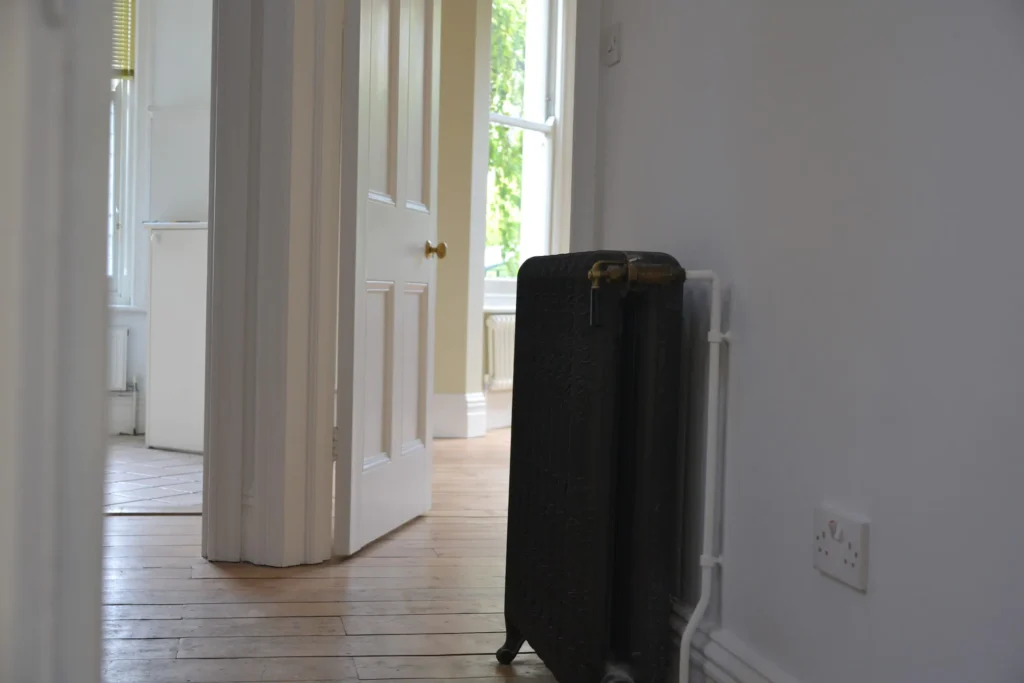
The fix is not to blast the wall with heat. Bring the whole room up to a steady, moderate temperature a few hours before you paint and hold it there overnight. A maintained 15°C beats a hot blast from a fan heater aimed at one patch, which tends to flash-dry the surface and trap solvent below. Cold exterior surfaces are even less forgiving, which is one reason we cover timing in our guide to winter-ready exterior painting in Surrey.
Humidity and hidden damp
Water-based paint cannot release its moisture into air that is already saturated. In a steamy bathroom, a utility room with washing drying, or any space with poor airflow, emulsion can stay tacky long past its stated touch-dry time. High humidity also lets a soft film pick up dust and bloom.
Run a dehumidifier or open a window for gentle cross-ventilation, but avoid a strong through-draught that dries the edges before the middle. If a wall repeatedly refuses to dry, take the damp possibility seriously: a cold, moist patch coming through the plaster will defeat any paint laid over it. Our piece on how to spot and treat damp explains the tell-tale signs, and a breathable or anti-mould product is often the right answer once the source is dealt with.
The coat is too thick
Paint is formulated to dry at a particular film thickness. Lay it on heavily, by overloading the roller or trying to get full coverage in one pass, and the surface skins over while the layer beneath cannot release its solvent or water. The result feels dry to a light touch but dents under pressure for days, and on trim it may stay soft indefinitely.
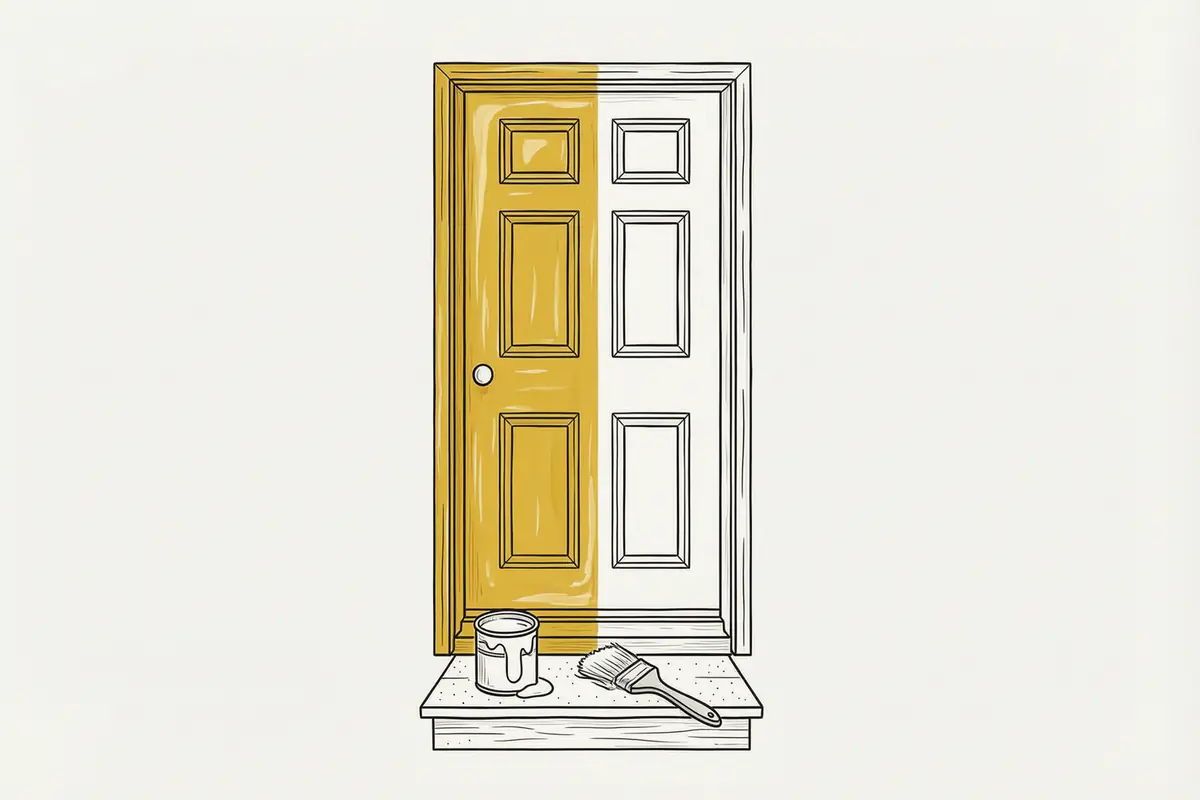
Two thin coats almost always beat one thick one. They cure faster, level better, and last longer. This matters most on woodwork: a heavy coat of oil-based gloss or satinwood on a door or a windowsill can stay tacky for a week, which is why careful, thinned coats are part of how we approach wooden window and trim painting.
A porous, dusty or contaminated surface
Bare plaster, fresh filler and old chalky paint drink the binder out of a new coat, leaving pigment sitting on the surface that never forms a proper film. At the other extreme, a greasy or glossy surface gives the paint nothing to grip, so it stays mobile. Kitchen walls and skirtings are common offenders thanks to grease and polish.
Good preparation prevents both problems. New plaster needs a thinned mist coat to seal it before the full coats go on; older surfaces need cleaning, light sanding to a key, and filling where required. Our walkthrough on how to prepare your walls for painting covers the sequence, and skipping it is the quiet reason a lot of "faulty" paint never sets.
Drying times by paint type
Knowing roughly how long each type needs helps you tell genuine trouble from ordinary patience. These are typical figures in normal indoor conditions; cold or damp pushes them longer.
- Water-based emulsion: touch-dry in around 30 to 60 minutes, recoat after 2 to 4 hours.
- Water-based acrylic eggshell or satinwood: touch-dry in 1 to 2 hours, recoat after roughly 4 to 6 hours.
- Oil-based or alkyd gloss and satinwood: touch-dry in 6 to 8 hours, recoat after 16 to 24 hours, with full hardness building over several days.
If you are choosing products as well as troubleshooting them, modern low-VOC and water-based ranges dry faster and smell far less than traditional oils; we weigh up the options in our guide to eco-friendly paints for your home.
What to do with a coat that will not dry
First, give it a fair chance. Warm the room to a steady 15 to 20°C, improve gentle ventilation, and wait a full 24 to 48 hours before judging an oil-based finish. Many walls written off as ruined simply needed warmth and time.
If it is still soft after that, the honest answer is usually to start again rather than chase it with more product. A surface that stays tacky has not formed a film and will not reliably do so, and a fresh coat on top only traps it. Scrape or sand back the affected area, clean and reseal the surface, correct the temperature and humidity, then repaint in thin coats. It feels like a setback, but it gives you a finish that lasts instead of one that stays fragile.
If a wall or woodwork in your home stubbornly refuses to set, or you would simply rather hand the prep and repaint to someone who does it daily, our interior painters work across Surrey and South West London, from Weybridge to the London borders. Request a free quote and we will take a look.