In this article
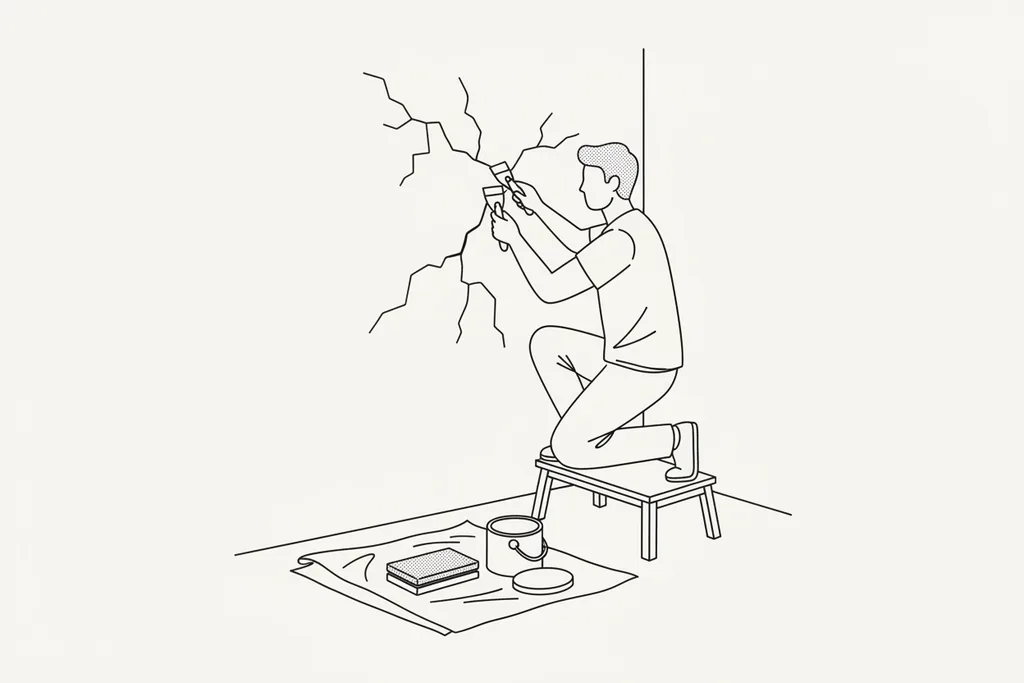
Few things make a room look tired faster than paint that is lifting, blistering or crazed with fine cracks. It is tempting to grab a brush and paint straight over it, but a fresh coat laid on a failing surface will only peel again, usually within months. The lasting fix is to remove what has failed, understand why it happened, and rebuild the surface properly before any new paint goes on.
The good news is that most peeling and flaking is caused by a handful of common, fixable problems. At Painters and Decorators Surrey we strip back and rescue tired walls, ceilings and woodwork all the time, so below we set out why paint fails and how to put it right step by step.
Why paint peels, flakes and cracks
Paint fails when the bond between the coat and the surface beneath breaks down. The usual culprits are moisture getting behind the film, a surface that was dusty, greasy or unsealed when it was painted, or a new paint applied over an incompatible old one — classically water-based emulsion over old oil-based gloss with no key. Age and sunlight play a part too, and so does a build-up of too many layers, which eventually loses its grip under its own weight.
Cracking and crazing, where the surface looks like dried mud or fine cracked glaze, usually points to coats applied too thickly or too fast, one drying before the layer beneath had set. If the bare patch underneath feels damp or cold, treat that as a warning sign: a moisture problem will defeat any repair until the source is dealt with, which our guide on how to spot and treat damp covers in detail.
What you will need
- A flat scraper or filling knife, and a wire brush for stubborn flakes
- Sandpaper or a sanding block (medium grit to cut back, fine to smooth)
- Filler and a flexible filling knife
- A suitable primer or sealer for the surface
- Dust sheets, a vacuum, and a damp cloth for cleaning down
Step one: scrape back to a sound edge
Lay your dust sheets, then work a scraper under the loose paint and lift it away until you reach paint that is firmly stuck and will not move. Do not stop at the obvious flake — feather past it until the edges no longer lift when you push the blade under them. On woodwork, a wire brush helps clear flakes from mouldings and corners. The aim is a clean, stable area with no undercut edges waiting to lift again.
Step two: sand, fill and smooth
Sand the scraped area to taper the hard edge of the surrounding paint into the bare patch, so the repair will not telegraph through as a ridge. Fill any gouges, cracks or low spots with a suitable filler, let it dry, then sand flush. Deep or wide cracks are better filled in two thinner passes than one heavy one. Vacuum the dust and wipe down with a slightly damp cloth, because fresh primer will not grip a dusty surface — the very thing that often caused the original failure.
Step three: prime the bare surface
Bare plaster, filler and timber must be sealed before topcoats go on, or they will drink the binder out of the paint and flake all over again. Use the right primer for the job: a plaster sealer or thinned mist coat on bare walls, a wood primer on timber, and a stain-blocking primer if you are covering water marks or old stains. Priming is also what gives a fresh coat something to key to over old, glossy paint. Our walkthrough on how to prepare your walls for painting goes through the sealing sequence in more depth.
Step four: repaint in thin, even coats
Once the primer is dry, build the finish up in two thin coats rather than one thick one. Thin coats bond better, level more smoothly and are far less likely to crack as they cure. Give each coat enough time to dry before recoating — rushing the second coat onto a soft first one is a common cause of fresh cracking, and cold or damp rooms stretch drying times out considerably, as we explain in our guide to how temperature affects paint drying time. If the old paint stayed tacky rather than peeling, our piece on why paint will not dry is the better starting point.
When to call in a professional
A small flaking patch is a manageable weekend job. Widespread peeling across a ceiling, recurring failure that keeps coming back, or flaking tied to damp or to old layered gloss on period woodwork is worth handing over, because the fix is as much about diagnosis as elbow grease. Our interior painters work across Surrey and South West London, from Guildford to the London borders, and we prepare every surface back to sound before we repaint. Request a free quote and we will take a look.