In this article
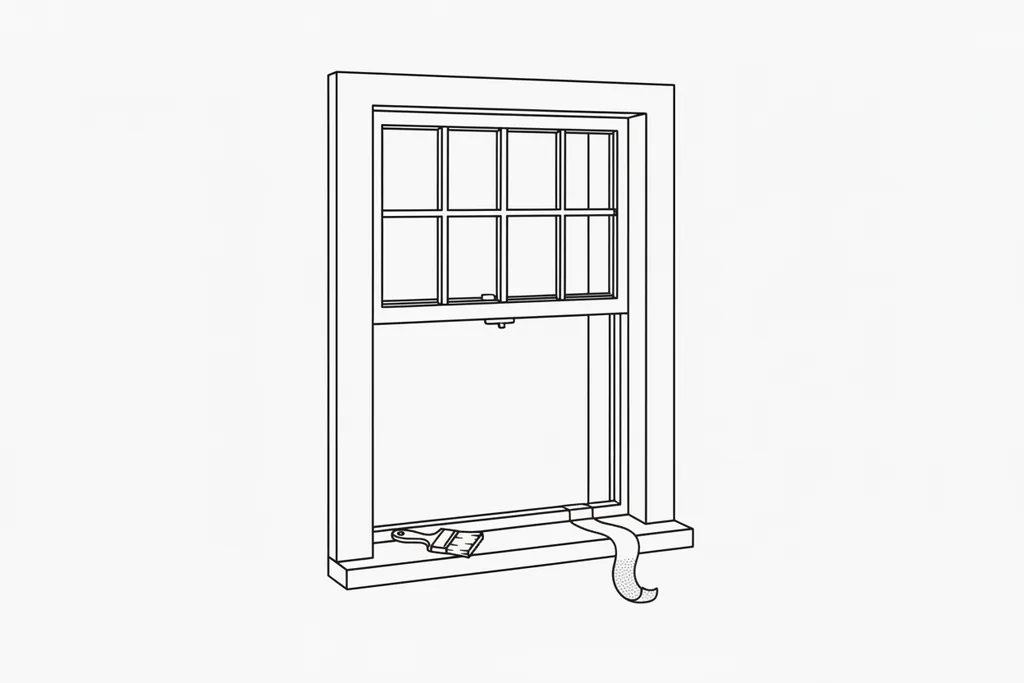
A coat of ordinary gloss on a Georgian sash looks the part for a season or two, then it cracks along the bottom rail, traps damp in the timber, and the wood beneath starts to soften. That one mistake — the wrong paint on a window built to breathe — costs far more in joinery repairs than the paint ever saved.
Period homes across Surrey — Guildford's Georgian townhouses, the Victorian and Edwardian terraces around Woking and Godalming — were built with timber windows that move with the weather and shed water by design. Painting them well is half decoration, half preservation. This guide covers assessing the timber, stripping it gently, choosing a breathable paint system and the conservation rules worth checking first, and sits alongside our longer piece on sash window restoration and painting in Surrey.
Why period wooden windows demand specialist care
Traditional timber windows are slow-grown softwood or hardwood, with fine joinery, putty-glazed panes and, on sashes, a counterbalanced weight system. The timber is strong but slightly porous, taking up and releasing moisture with the seasons. The common error is a hard, modern gloss that seals it completely: rain still gets in around joints and glazing, has nowhere to go, and rots the wood from within. The fix is a system that keeps liquid water out while letting vapour escape. Early decay usually shows as damp at the base of the frame, so it pays to know how to spot and treat damp before any brush comes out.
Step 1: Assess and repair before you paint
Never paint over failing wood; paint hides problems for a year, it does not cure them. Inspect every frame, sill and rail, looking for:
- Soft or crumbly timber — wet or dry rot. Press with a screwdriver: sound wood resists, rotten wood gives.
- Cracked, shrunken or missing putty around the glass.
- Loose joints, draughty gaps or sashes that rattle.
- Flaking or blistered paint, usually a sign of moisture behind the film.
Small areas of decay can be cut out and rebuilt with a two-part epoxy repair system, or by splicing in matching timber — the traditional "Dutchman" repair. Where rot is widespread or load-bearing joints are affected, bring in a joiner before you decorate.
A note on the rules: many Surrey period properties are in conservation areas or Grade II listed. Repainting in the same colour is usually fine, but altering glazing bars or changing colour can need consent. Our guides to painting in Surrey conservation areas and decorating a listed building in Surrey cover what to check; when in doubt, ask your council's conservation officer first.
Step 2: Strip and prepare gently
Two methods do real damage: heat guns, which crack original crown or cylinder glass and scorch the putty, and aggressive chemical strippers, which leave residues that stop the next coat keying. Work patiently instead — hand scraping with a sharp tungsten-tipped scraper, low-temperature steam for thick layers, then a fine abrasive (120 then 180 grit) to feather the edges.
You do not always need to go back to bare wood. Where the existing paint is sound, scuff-sand, fill and overcoat; strip only where the film has failed. On bare timber, dust down, wipe with a tack cloth and let it dry: aim for a moisture content below about 18% before priming, and check it with a meter, because paint over damp wood will not last.
Step 3: Choose the right paint system
This is where most DIY jobs go wrong. The right system depends on how the house is built and how exposed the window is.
Pre-1919 solid-wall homes
Older houses rely on breathability throughout, so the windows should too. Use a microporous, vapour-permeable system, such as:
- Traditional linseed-oil paints — flexible and long-lived, though slow to dry.
- Water-based or modified-alkyd exterior eggshell systems (heritage ranges from Farrow & Ball, Little Greene, Mylands and similar suit period frames well).
- Primer, undercoat and topcoat from the same range, so the layers are designed to work together.
These let vapour out while shrugging off rain, which matters in Surrey's damp climate. The same thinking applies across the whole elevation; our guide to the best exterior paint for Surrey's climate covers matching coatings to local weather.
Inter-war and post-war timber windows (1920s–1950s) can instead take a modern water-based satinwood or flexible acrylic exterior gloss with UV inhibitors, which hold colour and resist yellowing well, provided the wood is sound. Whatever the era, seal resinous knots with a knotting solution before priming, and use a flexible exterior undercoat so the system can move with the timber.
Step 4: Apply with precision
Good results come down to technique as much as product. In order:
- Prime bare wood promptly, within a day or two of preparation, so it does not pick up moisture or tannin staining.
- Build the colour in thin, even coats — thick layers look quicker but crack and peel sooner.
- Carry the topcoat a couple of millimetres onto the glass to seal the putty line and keep water out.
- Don't paint the window shut: leave a hairline gap at the meeting rails and sliding edges so the sash still moves once dry.
- Re-bed any loose panes in fresh putty and let it skin over before overpainting.
On windows with many fine glazing bars, spraying gives a flat, brush-mark-free finish brushing struggles to match, though it takes far more masking and skill on site — work for our spray painting team. On a full repaint, our wooden window painting service handles preparation, repair and finishing as one job.
Three things catch people out: painting below about 10°C or in damp air, so the film never cures; using interior paint outdoors, which has no UV or weather protection; and skimping on the sill, the most exposed part of the window, which wants an extra coat and a clean drip edge. As a rough guide, exposed timber windows in southern England want a fresh coat every five to seven years, sooner on south- and west-facing elevations.
When to call a professional
Touching up a sill or repainting one accessible window is well within reach for a confident homeowner. Repainting every window on a period property is a different prospect — working at height, lead-paint risk on older layers, glazing repairs and, often, conservation requirements. That is the point to bring in a decorator who works on heritage timber: someone who will specify breathable products for the building's age, protect the original glass, putty and ironmongery, remove lead-based layers safely, and build a finish that lasts.
We carry out this kind of careful timber-window work on period homes across the county, from listed cottages to Victorian terraces in Guildford and the surrounding towns.
Protect the windows, protect the house
Painting timber windows in a period home is as much about preservation as appearance. Choose a breathable system, prepare the timber properly and respect any conservation rules, and the original windows that give these houses their character will keep working and looking right for decades.
If you would rather hand it to someone who does this every week, get in touch for a free, no-obligation quote or call 01483 694110, and we will take a look at your windows.