In this article
A rotten sash sill caught early is a few hundred pounds to splice and repaint. Left until the bottom rail has gone soft and the cords have snapped, it becomes a full sash rebuild costing several times that. In Surrey’s older housing the difference usually comes down to one thing: whether the timber was kept sealed and breathing, or sat under cracked paint quietly soaking up rain. Georgian terraces around Guildford and Richmond and Victorian bays across Woking are full of windows worth saving, which is exactly why dropping in uPVC so often looks wrong and, in protected streets, breaks the rules.
Sash windows are not casements
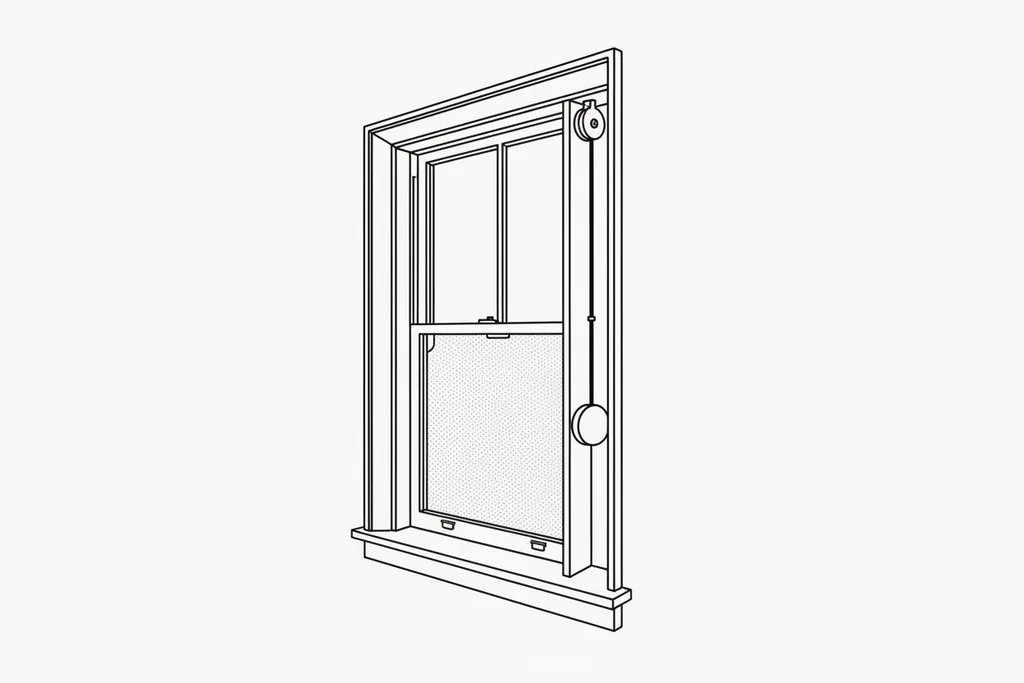
The distinction matters, because the repair is different. A sash window slides vertically: one or two glazed panels, the sashes, counterbalanced by weights hidden in the box frame and hung on cords over pulleys. A casement is hinged at the side and swings open. Most period Surrey homes have box sashes, and the moving parts buried in the frame are where much of the trouble starts.
Rot, rattles and sticking: the three usual faults
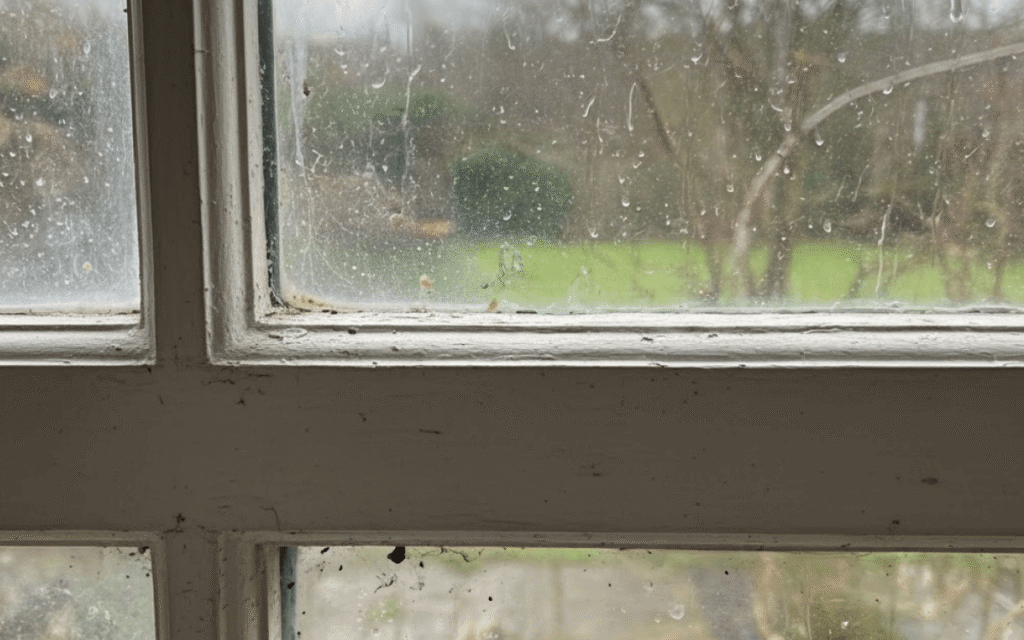
Timber windows are handsome and, looked after, outlast almost anything. In a damp climate, though, homeowners in Surrey tend to report the same three problems.
- Rot on the sill and bottom rail, where rain collects and exposed end-grain timber drinks it up. Caught early it is a localised repair; left alone it spreads into the joints until the sash stops working. Flaking paint and dark, soft patches are the early warning, and they often sit alongside wider signs of damp around the reveals.
- Rattles and draughts as the cords stretch, the putty cracks and the sash no longer sits snug in the frame. The result is heat loss, higher heating bills and that familiar shudder when a lorry goes past.
- Sticking, usually the opposite cause: moisture swells the timber, or decades of overpainting have glued the sash into its runners so it will not budge.
None of these is cured by another coat of paint on top. Each needs the window opening up and the underlying cause dealt with.
How a sash window restoration actually works
Done properly, restoration is part joinery and part conservation: keep as much original timber and glass as possible while making the window weathertight and easy to use again. It usually runs in this order.
Assessment and timber repair
The sashes come out of the frame so the hidden faces can be inspected, especially the bottom rail and lower box, which take the most water. Where rot is found, the conservation principle is repair over replacement: cut out only the decayed timber, treat what remains with a fungicidal preservative, then splice in matching new timber (a dutchman repair) or fill with a high-performance two-part epoxy resin. A sound splice or epoxy repair lasts far longer than ordinary wood filler, which works loose again as the frame moves.
Draught-proofing and noise reduction
This is the upgrade that makes the biggest day-to-day difference. Fine grooves are routed into the meeting rails, staff beads and parting beads, and discreet brush or wiper seals set into them. Closed up, the window seals against draughts without changing how it looks from the street. It will not quite match a modern sealed unit, but it noticeably cuts air leakage and outside noise, and pairs well with secondary glazing. It is also part of the wider picture in how decorating work supports your energy rating.
Re-cording, re-glazing and hardware
- Re-cording. Perished cords are swapped for new waxed braided sash cord, and the cast-iron weights are re-tied and balanced. A correctly balanced sash glides with one finger and stays put at any height without a prop.
- Re-glazing. Cracked panes are replaced and loose putty raked out and renewed, since failed putty is a main route for water to get behind the glass and into the frame.
- Hardware. Original brass or iron sash lifts, fasteners and pulleys are cleaned and re-used where possible, or matched with period-correct replacements rather than off-the-shelf parts.
Painting for preservation, not just looks
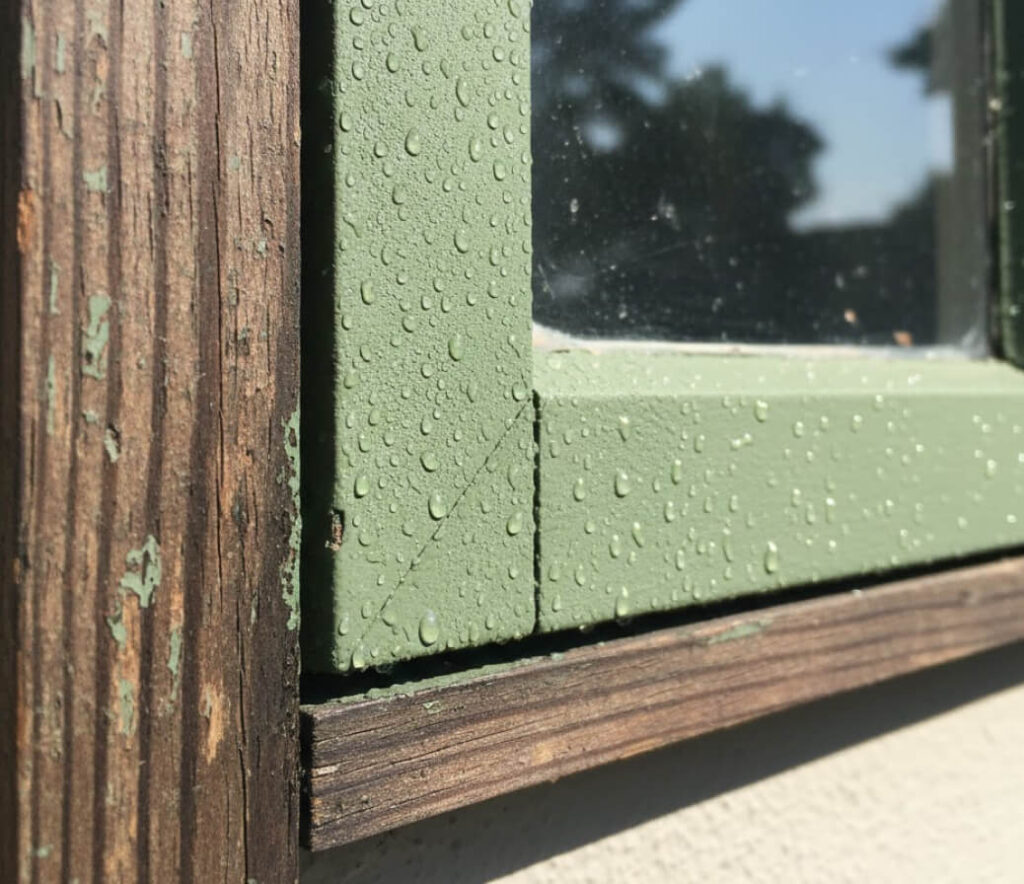
The paint is the window’s main line of defence, so it is not the place to economise. Get it wrong and the careful joinery underneath can fail within a couple of years, which is why our wooden window painting service treats this stage so carefully.
Preparation comes first
Sound paint is sanded back to a key; failed paint is stripped to bare timber by hand scraping or careful low-temperature methods, not aggressive heat near old glass. Bare wood gets a preservative and then a flexible primer to seal it and give the topcoats something to grip. Skipping the primer is the most common reason a repaint peels early.
Choosing the right paint
The big decision is breathability. Old, rigid oil paints trap moisture inside the timber, which is what drives the rot-and-peel cycle.
- Microporous, breathable systems let water vapour escape from the timber while shedding rain from outside, and they flex with the wood through Surrey’s wet winters and warm summers instead of cracking.
- Finish. Traditional high gloss still suits many period frames; a modern flexible satinwood or exterior eggshell is a popular, lower-sheen alternative. Either way it must be exterior-grade with UV resistance, applied in thin coats so it cures properly.
The same breathable-paint thinking runs through how we approach exterior repainting in general, not just windows.
Conservation areas and listed homes
Much of Surrey’s period housing sits in a conservation area, and a fair number of homes are listed, which changes what you are allowed to do. Replacing sashes wholesale, or swapping timber for uPVC, can need consent and is often refused, whereas like-for-like repair and repainting usually does not. We cover the detail in our guides to painting in Surrey conservation areas and decorating a listed building in Surrey; a quick call to your local council before any major work is always worth it. And if you are repainting all the joinery on a period home, our guide to painting wooden windows in period homes goes deeper on technique.
Restore rather than replace
For most Surrey owners, restoring sash windows beats ripping them out: you keep the character and proportions that make the house what it is, gain warmth and quiet, and a well-repaired and repainted sash runs happily for decades. It just rewards doing properly, by someone who has done it on Guildford’s older streets and right across the county.
If your sashes are sticking, draughty or showing rot, ask us for a free, no-pressure quote or call 01483 694110, and we will take a proper look.