In this article
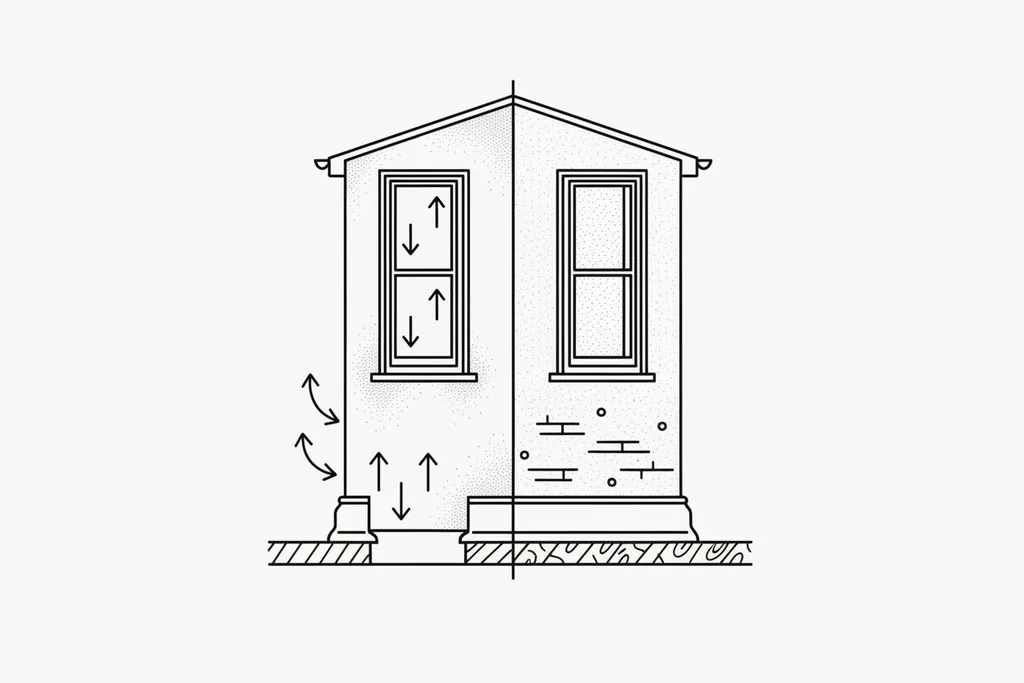
A Victorian terrace in Guildford loses heat through dozens of small gaps you never see: the joint where skirting meets floor, shrinkage cracks around architraves, the draughty void behind a sash box. None of them shows up on a survey, yet together they can make a room feel cold no matter how hard the boiler works.
Insulation, glazing and a modern boiler do the heavy lifting on an Energy Performance Certificate (EPC), which rates a home from A to G on the energy it needs for heating, hot water and lighting. A careful decorating job won't shift those headline figures, but it influences three things the rating cares about: air leakage, how dry your walls stay, and how much artificial light you burn by day.
On a solid-wall period home, where cavity insulation simply isn't an option, those marginal gains matter more than most people expect. Here is where painting and decorating genuinely helps a home hold its heat, and where it honestly doesn't.
1. Seal the gaps before you pick up a brush
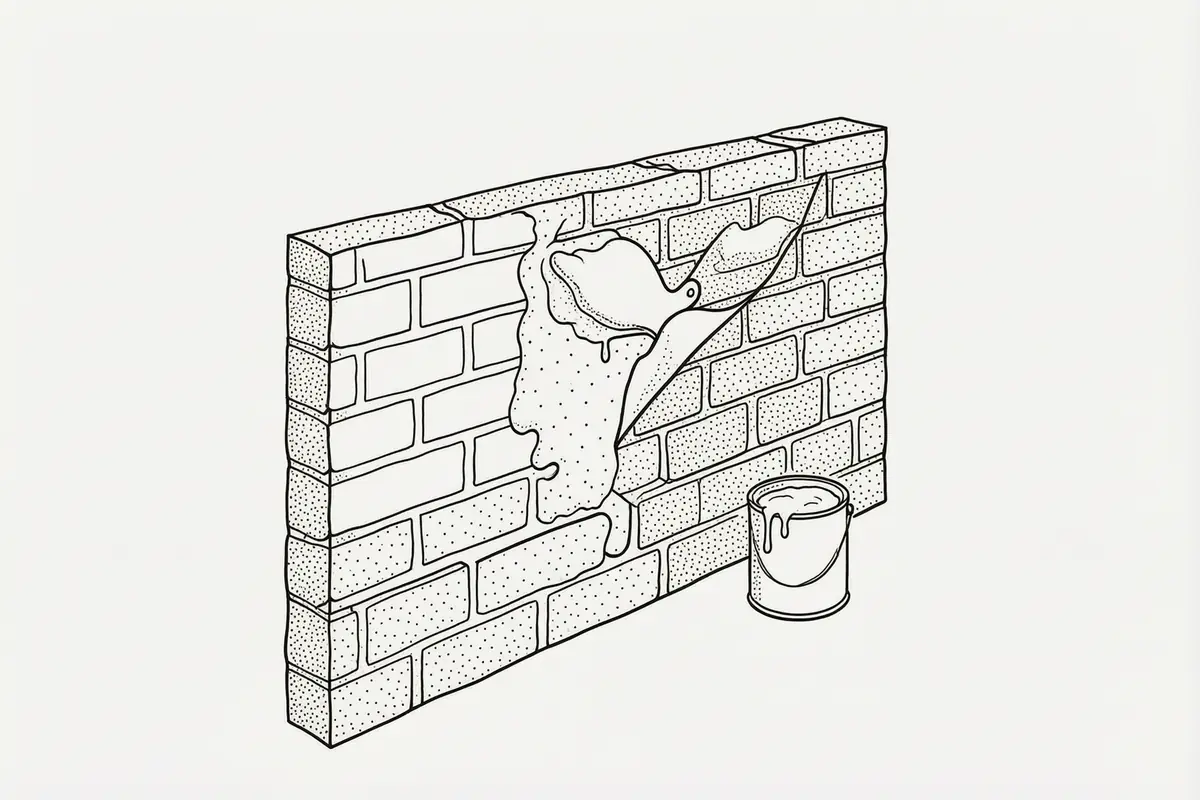
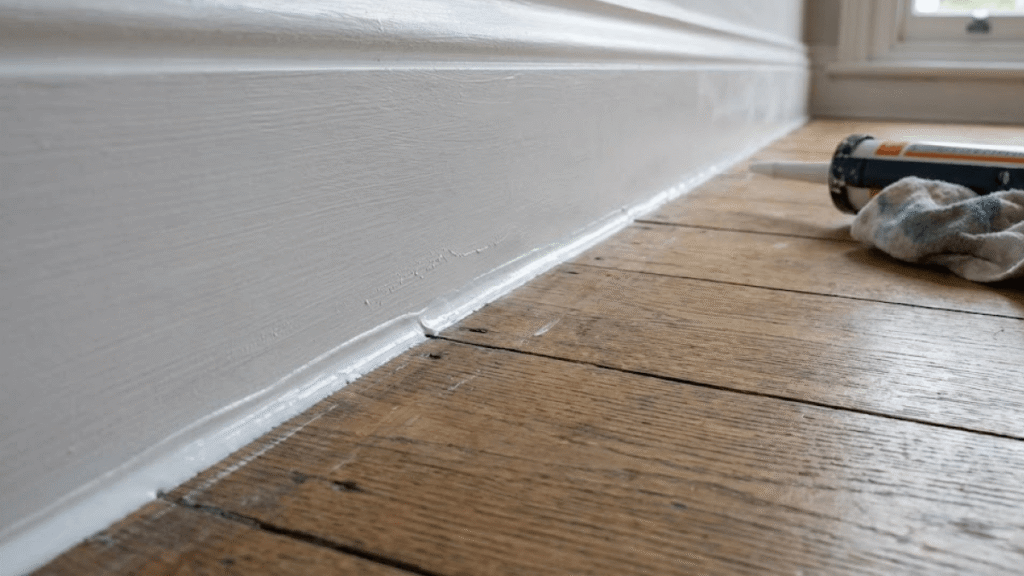
Draught-proofing is the cheapest, highest-return job in the whole process, and a repaint is the natural moment for it: the Energy Saving Trust rates it among the most cost-effective heat-saving measures, and the gaps are easiest to reach once the room is cleared. Proper wall preparation before painting is the same work as airtightness work, because as you fill and caulk you are closing the leaks that let warm air escape.
What a good prep stage covers
- Run flexible acrylic decorator's caulk into the skirting-to-floor and skirting-to-wall joints before priming, so it is painted over and stays put.
- Fill shrinkage cracks around architraves, coving and ceiling junctions rather than just papering over them.
- Trim and overpaint any expanding foam used on larger voids; left bare it perishes and lets draughts back in.
- Check window frames and sash boxes, where a surprising amount of cold air finds its way in around old beading and loose putty lines.
Part L of the Building Regulations (Conservation of Fuel and Power) sets airtightness expectations for new build and major refurbishment, so it is worth doing this thoroughly if your project is large. On period sash windows, our wooden window painting service includes checking and resealing the frame and beading as part of the redecoration, which tightens up one of the leakiest parts of an old house without spoiling the joinery.
2. Choose light, reflective interior colours
Dark walls swallow light; pale ones throw it back. In a north-facing room or a deep Victorian hallway that gets little direct sun, a soft matt finish pushes daylight further into the space and cuts how long the lights stay on. Look for the light reflectance value (LRV) on the colour card: anything above roughly 70 reflects most of the light that hits it, while deep colours can drop below 10.
- Soft whites, warm off-whites, pale greys and chalky earth tones all sit at the bright end.
- Matt and soft-sheen emulsions diffuse light evenly; high-gloss on a large wall just creates glare without making the room feel brighter.
If you want lighter, brighter rooms but aren't sure which shades suit Surrey's light, our notes on neutral paint trends for Surrey homes are a sensible starting point.
3. Be realistic about thermal and insulating paints
Insulating paints are heavily marketed, and the claims often run well ahead of the physics. The ceramic-microsphere additives sold for this purpose have a tiny R-value compared with even a thin layer of conventional insulation, so they will not turn a cold solid wall into a warm one on their own.
They can play a modest supporting role. Reducing surface heat transfer and limiting condensation on a cold wall is a real, if small, benefit, and for a listed or solid-wall home where internal insulation isn't practical, that can be worth having. The key is to treat them as a finish, not a substitute for insulation.
The Advertising Standards Authority has challenged exaggerated "thermal paint" claims, so be wary of any product promising boiler-sized savings. We unpick the marketing versus the measured reality in our guide to whether thermal paint can cut heating bills in Surrey.
4. Keep exterior walls dry to keep heat in
This is the part most people overlook. A wet wall conducts heat far more readily than a dry one, so a saturated brick or render skin quietly bleeds warmth out of the house. In Surrey's wet, windy weather, keeping the outside envelope sound and shedding water is one of the most useful things exterior decorating can do.
- Repair render cracks and repoint open joints so wind-driven rain can't soak into the wall.
- Use a breathable, microporous masonry paint that lets trapped moisture escape rather than sealing it in, which is where interstitial condensation and blown render come from.
- On older solid walls especially, avoid plastic-film masonry coatings that trap damp behind them.
Damp doesn't only come from outside; rising and penetrating damp do the same insulating damage from within. If your walls feel cold and clammy, our guide on how to spot and treat damp will help you trace the cause before you repaint. For the coating itself, our advice on choosing exterior paint for Surrey's climate covers which breathable systems hold up to the local weather.
While you are working near the windows, painting the reveals in a light, soft-sheen colour bounces more daylight inside, and keeping south-facing glass clear of heavy dark blinds in winter lets the low sun warm the room for free.
Decorating and EPC rules for landlords
If you let property, energy ratings carry legal weight. Under the Minimum Energy Efficiency Standards, most rented homes in England and Wales must reach at least an EPC E to be let, and the government has consulted on raising that minimum for the private rented sector. The exact target and dates are still being finalised, so check the current position before budgeting for works.
Decorating alone won't lift a home several bands, and nobody honest will tell you it does. It supports the measures that count, sealing draughts and keeping the fabric dry so it holds the heat your insulation and heating provide. Between tenancies it is also simply good practice, which is why we cover it in our piece on painting interior and exterior on rental properties.
When it's worth bringing in a decorator
Plenty of sealing and repainting is well within a confident DIYer's reach. It is the older and more awkward homes where professional judgement earns its keep.
- Tracing hidden draught paths around bays, sash boxes and suspended floors that aren't obvious from the room.
- Specifying genuinely breathable, building-appropriate products on solid and heritage walls, where the wrong coating traps damp.
- Sequencing the work so decoration dovetails with any insulation or window upgrades rather than clashing with them.
As a residential and commercial firm working across Surrey and South West London, our interior painting team builds these habits into every job: caulking and sealing as standard, breathable products where the walls need to breathe, and low-VOC paints with high reflectance for brighter rooms and lower lighting bills.
The bottom line
Painting and decorating will never replace insulation or a new boiler, but it is far from cosmetic. Done thoughtfully, it seals leaks, keeps the fabric dry, makes the most of daylight and free solar gain, and helps the rest of your energy upgrades actually deliver. Across Surrey's many pre-1930s homes, those details add up.
So before your next repaint, it is worth asking whether the same job could also help the house hold its heat. If you'd like a hand getting it right, request a free quote or call us on 01483 694110.