In this article
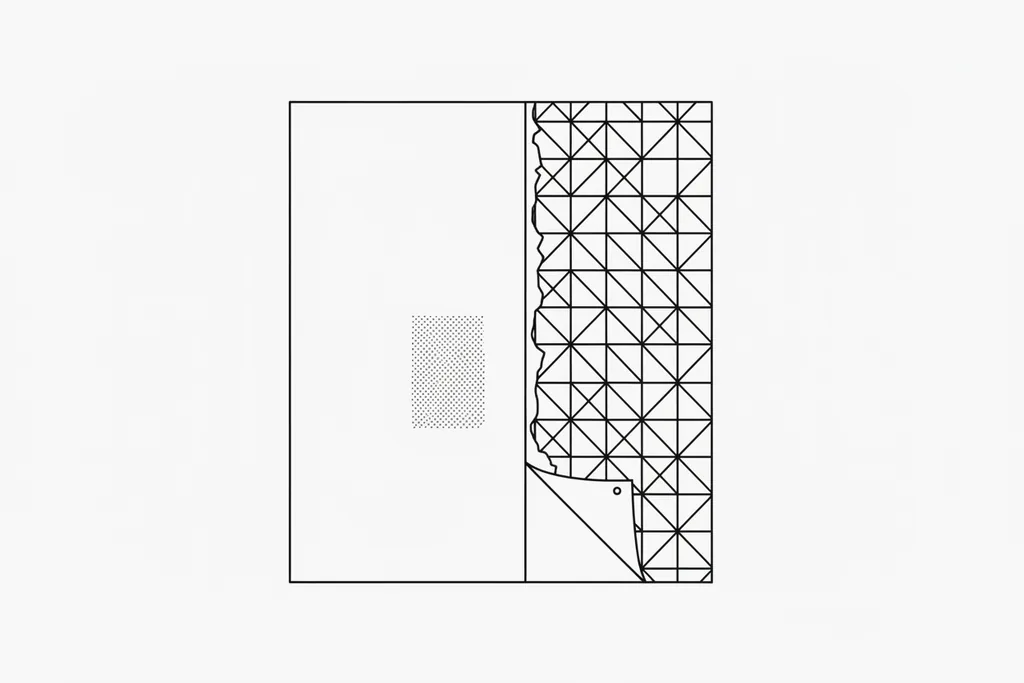
A Guildford office takes a knock the day a delivery trolley scrapes the corridor wall. With paint, a decorator feathers in a touch-up in twenty minutes and you would struggle to spot the repair. With wallpaper there is no spot fix: the damaged drop has to come off and the pattern matched across the seam, often the whole wall. That single difference explains a lot of why commercial fit-outs lean one way or the other.
The honest answer is that the right finish depends on the room. Both belong in a well-specified scheme, and the choice comes down to four things: how hard the wall gets used, the look you want, fire compliance, and what your lease expects when you hand the space back. We weigh all four with clients as commercial painters in Surrey; here is how that conversation tends to go.
Durability and maintenance: paint usually wins the busy walls
Paint
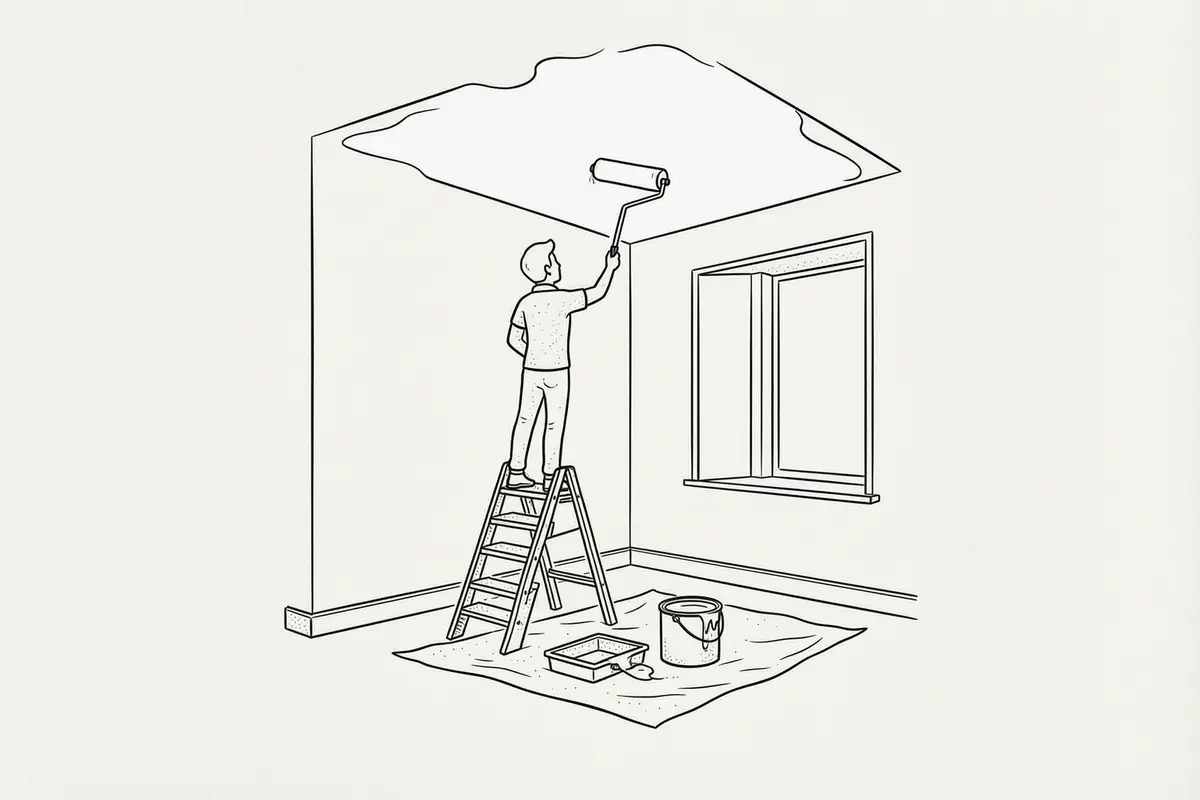
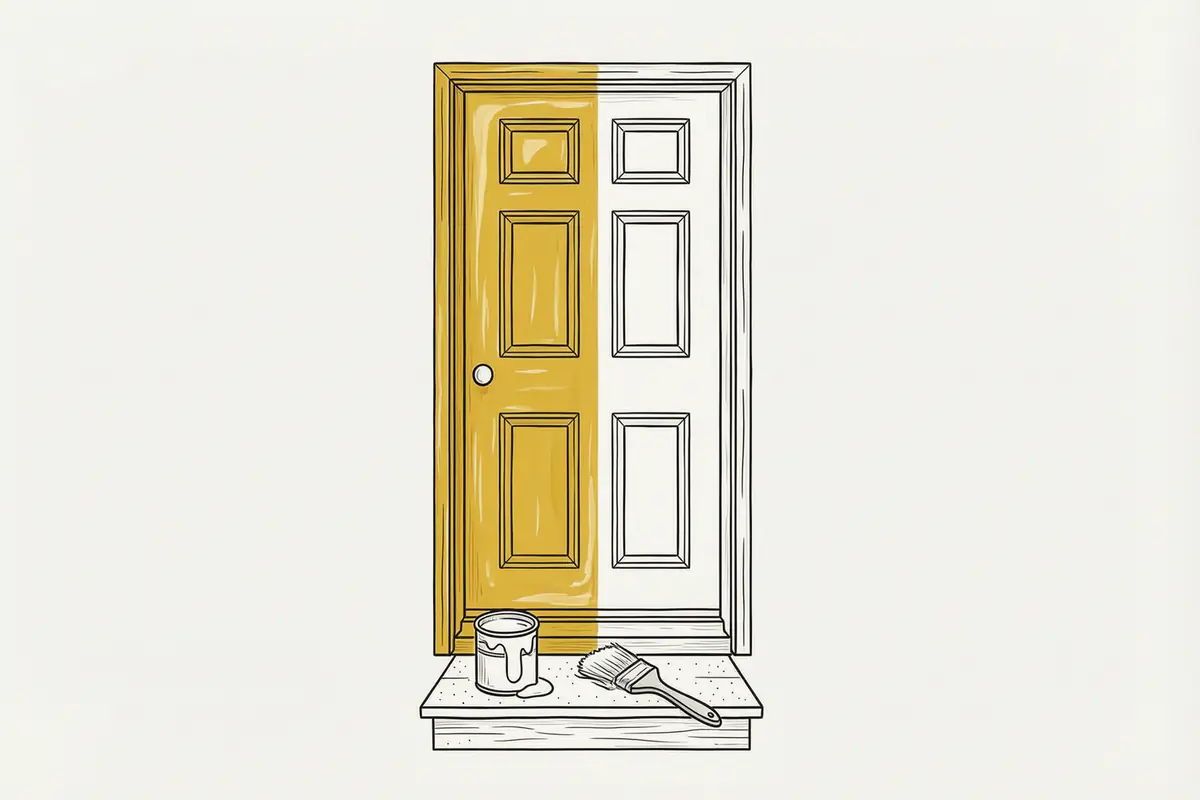
Commercial-grade finishes such as eggshell and soft sheen wear well, wipe clean and take a localised touch-up without anyone repainting the whole room. Lighter colours do show scuffs sooner, and changing the colour means recoating the surface rather than swapping a panel.
For offices, meeting rooms and corridors, a washable low-VOC emulsion in a scrubbable matt or soft sheen is the workhorse. A two-coat system over a properly prepared wall, with any fresh plaster sealed by a mist coat first, gives the even, hard-wearing finish that takes daily handling. UK regulations cap the VOC content of these paints, so a compliant trade emulsion keeps fumes low on a working site.
Wallpaper
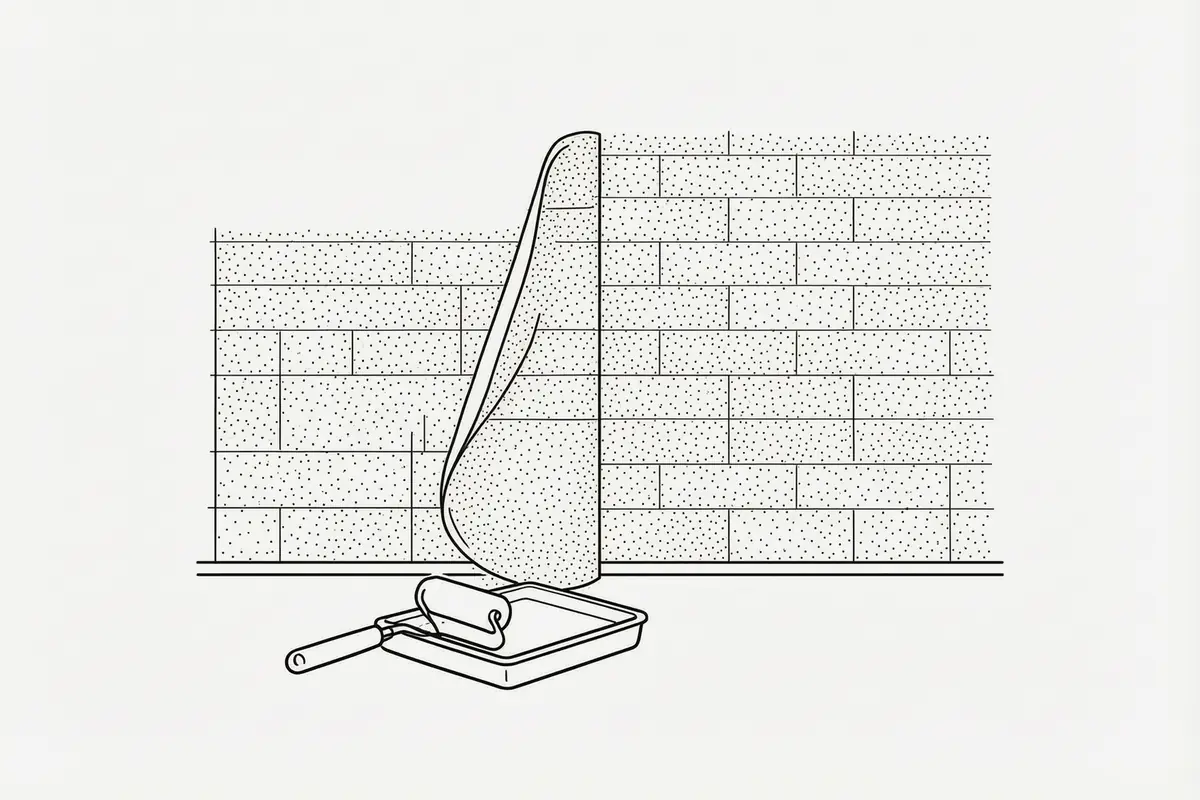
Wallpaper earns its keep on looks. It hides minor wall imperfections and brings texture and pattern that paint cannot. The trade-off is repair: it can scuff, lift at the edges or fade, it is harder to clean than a wipeable paint film, and any damage or restyle usually means stripping and rehanging.
Commercial-grade vinyl wallcoverings are far tougher than the domestic rolls most people picture, and they cope with wiping better than standard paper. They still do not love the constant cleaning a paint film shrugs off in a high-traffic zone, so expect a busy wallpapered wall to need attention sooner once edges start lifting or marks set in. Humidity is the other limit worth flagging: away from a properly specified vinyl, paper struggles around kitchenettes and washrooms, which is the same balance we cover for wallpaper in wet rooms. A lot of the worry around hanging is overblown, though, and we cleared up the most common ones in our piece on wallpaper installation myths.
Aesthetics and branding: wallpaper brings the impact
Wallpaper is the better tool when a space needs to make a statement, which is why creative agencies, showrooms and salons reach for it. Used with intent it lifts a room rather than crowding it:
- A feature wall in a geometric or botanical pattern turns a reception or breakout area into a focal point.
- Textured finishes such as grasscloth or embossed vinyl add depth without making a room feel busy.
- Custom digital wallpaper lets you run a branded mural or a local Surrey scene behind the front desk.
The catch is that bold patterns date faster than colour, so paint stays the more flexible long-term choice: a neutral palette sits happily behind modular furniture and survives a rebrand without a strip-out. The strongest schemes use both, with painted walls as the base and wallpaper as a deliberate accent. If you are weighing a statement wall, it is worth seeing which directions have legs first in our roundup of the top wallpaper trends for 2026, then letting our wallpaper hangers in Surrey handle the cutting in and pattern matching that keep the finish sharp.
Fire safety and building regulations
This is where the choice stops being about taste. UK fire standards do not accept every wallcovering, and the Regulatory Reform (Fire Safety) Order 2005 puts the duty on whoever runs the building to control how a wall finish behaves in a fire, especially in corridors, stairwells and reception areas.
- Paint: most commercial-grade systems can meet a Class 0 or Euroclass B-s1,d0 rating when specified and applied correctly.
- Wallpaper: needs to carry a fire-rating certificate (for example BS 476-7 or EN 13501-1). Standard residential wallpaper is not suitable for these areas.
Specifying a non-compliant wallcovering in an escape route is the kind of mistake that can affect your insurance position as well as your safety case, so always ask the supplier for product test data and keep it on file. We go through what the paperwork needs to cover in our guide to commercial painting regulations in the UK.
Cost: short-term price vs. whole-life value
Wallpaper usually carries a higher up-front cost once premium materials and skilled installation are counted, and that gap widens over a lease because of how the two age. Paint takes spot repairs and quick colour changes; wallpaper does not, so a damaged or dated scheme tends to mean a full strip and rehang rather than a patch.
For most Surrey SMEs that whole-life maths points to paint as the base finish, helped by landlords usually wanting a neutral, easily redecorated wall at the end of the term. Wallpaper still earns its place where the visual impact justifies it, which is why it works best as a contained accent.
Acoustics and wellbeing
Open-plan offices live and die by their acoustics, and wall finish plays a small part. Heavy, fabric-backed or textured wallcoverings scatter sound a little more than a flat painted surface and can take a touch of edge off reflections in a hard room. Keep that in proportion, though: the difference is modest, and anything serious is a job for acoustic panels or ceiling baffles rather than the wall covering.
Air quality is the bigger wellbeing lever, and it is one paint controls directly. Low-VOC and MVOC emulsions cut the fumes that hang around after a refurbishment, which matters on a site people have to keep working in.
What we recommend, room by room
Reception and lobby
Painted walls with a single feature wallpaper panel behind the desk: professional, on-brand and easy to maintain. It is the pairing we set out in most commercial office refurbishments in Surrey.
Meeting rooms
Washable matt or soft-sheen paint. It resists marker transfer near whiteboards and stays glare-free, keeping faces evenly lit on video calls.
Breakout zones
Durable paint with an optional textured wallpaper on one wall. It takes coffee spills and casual knocks while still giving the space some character.
Corridors and stairwells
Commercial-grade paint only. These are escape routes first and decoration second, so durability and a fire rating come before pattern.
Why it pays to use a contractor
On a commercial job the prep is where durability and compliance are won, and the application method matters too: large wall runs and joinery often come up cleanest sprayed, which is where our commercial spray painters earn their place. A good contractor will:
- prepare the surface properly, since adhesion and a clean finish both start with sound filling, sanding and the right primer or mist coat;
- check fire ratings and VOC data so every product suits the room before it goes on the wall;
- work around your hours to keep disruption down, as we did on a recent office revamp project.
We also hand over the supporting paperwork, including COSHH assessments and product data sheets, so the finish stands up to scrutiny long after we have left site.
The short version
There is no single right answer, only the right answer for each wall. For most Surrey workplaces paint is the sensible base, with wallpaper placed deliberately where a feature wall will pull its weight. If you are planning an office, salon or showroom refit and want a finish that balances looks, budget and compliance, get in touch for a free, no-obligation quote or call us on 01483 694110.