In this article
A customer in Guildford recently told us she had put off wallpapering her hallway for three years, certain it would peel within months and be a nightmare to strip later. Neither is true of a properly hung modern paper. That fear is one of several myths that keep good rooms plain, so here are the five we hear most often, and what actually happens on the wall.
We hang wallpaper across Surrey and South West London, from hand-printed papers in period homes to wipe-clean vinyls in family kitchens. The pattern is almost always the same: the failures people dread come from preparation and technique, not from the paper itself.
Myth 1: "Wallpaper is outdated and hard to remove"
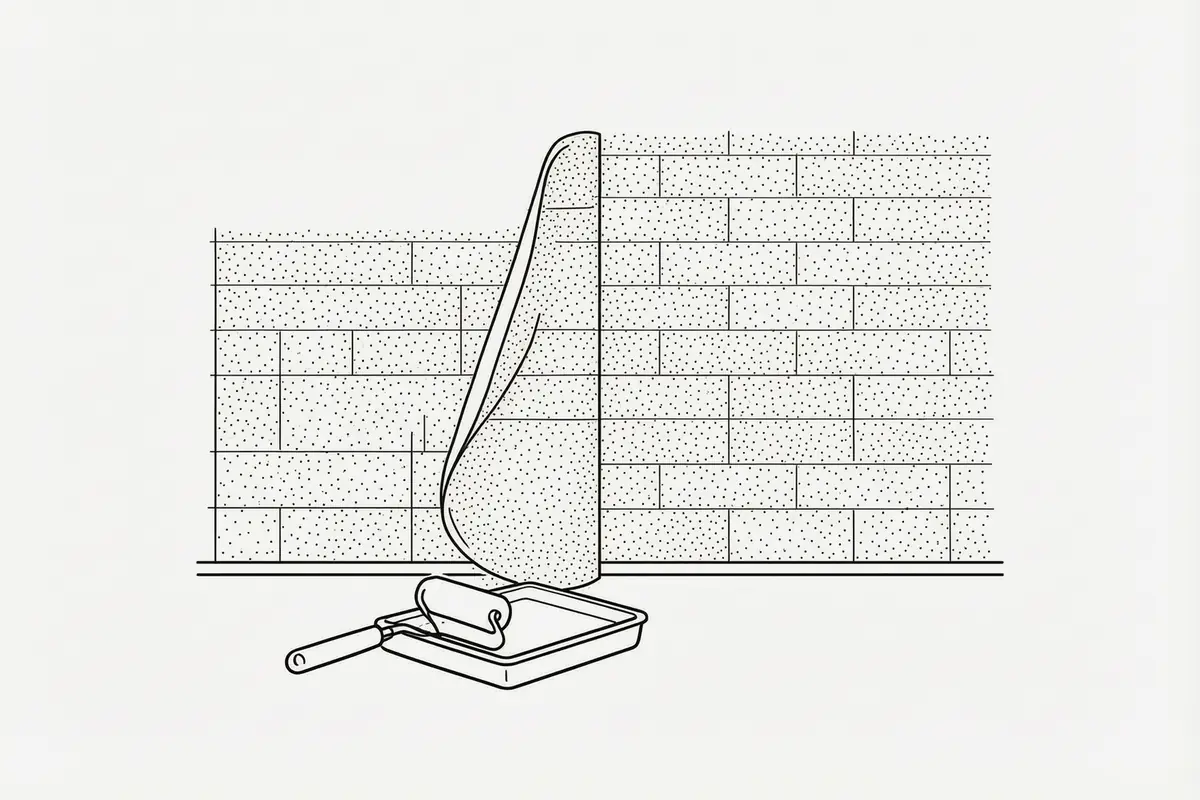
Modern wallpaper is nothing like the vinyl-coated papers of the 1970s that fused to the plaster. Most quality ranges now use a non-woven backing, which is dimensionally stable, breathable, and designed to peel away dry in full strips when you eventually want a change.
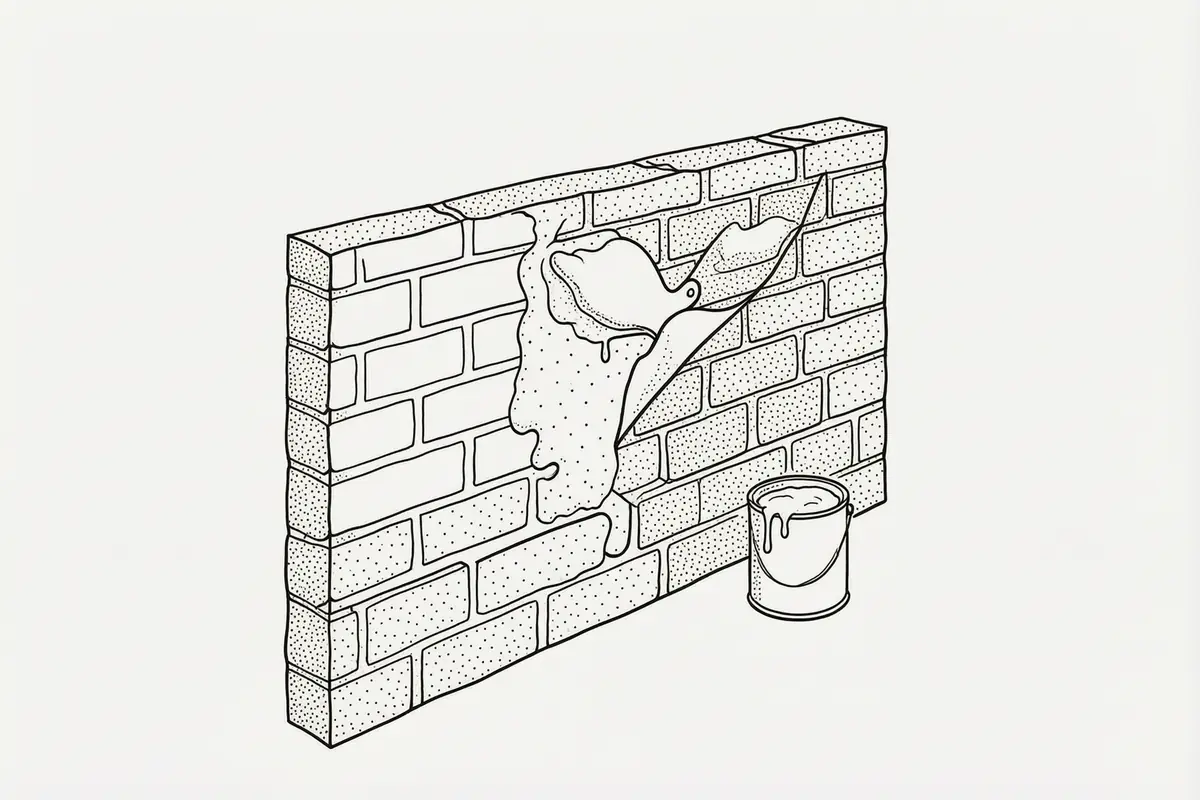
The catch is the wall behind it. A paper hung straight onto bare, dusty or freshly skimmed plaster is the one that tears and takes the surface with it. Prime and size the wall first and removal stays clean years later. If today's looks are what is holding you back rather than the format, the current wallpaper trends for 2026 have moved a long way from floral borders.
Myth 2: "You can't use wallpaper in bathrooms or kitchens"
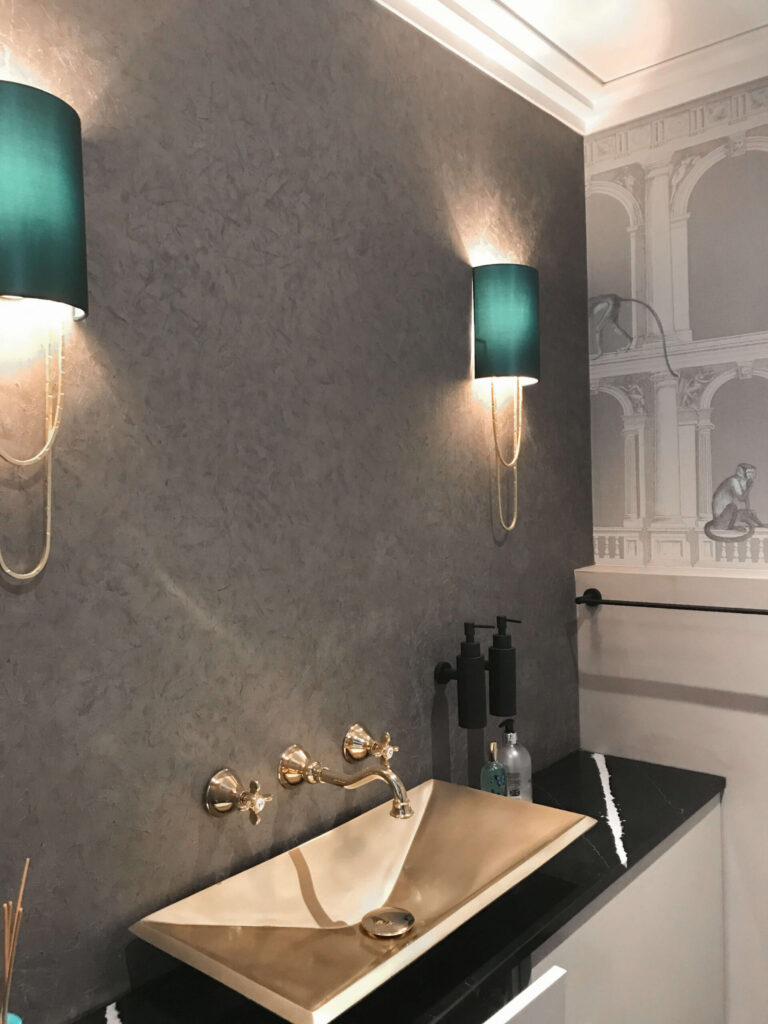
You can, with the right material and a sensible position. The mistake is using a paper-backed or uncoated paper in a direct splash zone, where it will lift at the seams. Choose a vinyl-coated or solid vinyl in a humid room: it gives a wipe-clean surface, better mould resistance, and most ranges carry a washable and fire-retardant classification suitable for domestic use.
The placement matters as much as the product. Some of the most effective rooms we have done keep the paper away from the water:
- A feature wall opposite the bath or shower rather than inside the splash line.
- Paper above a tiled dado or a tiled splashback, so tile takes the wetting and the wallpaper stays dry.
- Cloakrooms and utility rooms, where good ventilation and a bead of sealant at the edges do most of the work.
If you want the look in a genuinely wet space, our guide to wallpaper in wet rooms covers the materials and detailing in more depth.
Myth 3: "Wallpapering is easy, just paste and stick"
Hanging a plain paper on a flat, sound wall is well within a confident DIYer's reach. The trouble starts with anything patterned, large or unforgiving, where small errors compound across a room:
- Patterns with a large repeat need careful drop planning, or you waste a roll matching the design and run short on the last wall.
- Out-of-square corners in older Surrey houses need cutting and double-hanging; a simple wrap-round just creases and shows a mismatch.
- Many papers expand slightly once pasted, so soak times have to be consistent or the seams open as they dry.
- Old lime plaster absorbs paste unevenly, which lifts seams unless the wall is primed to even out the porosity first.
Preparation is where most jobs are won or lost. Bubbling, peeling and mismatched joins are far more often a prep-and-technique problem than a faulty roll, which is why it pays to prepare the walls properly before any wallcovering goes up. We set a true vertical at the start, keep the paste open time even across every length, and roll the seams without squeezing adhesive onto the face.
Myth 4: "Wallpaper makes a room look smaller"
The wrong paper can, but the right one does the opposite. Scale and placement are everything:
- A vertical stripe draws the eye up and adds height to period rooms with low ceilings.
- A large-scale botanical or open print reads as space, while a small, busy pattern across all four walls is what actually closes a room in.
- A deep, moody colour on a single wall makes a study or snug feel intimate by design rather than cramped.
- Metallic and pearlescent grounds bounce light around and add a sense of depth.
A single statement wall, or paper above a dado rail with a quieter finish below, almost always works better than wrapping a whole small room in pattern. Used well, it is one of the quickest ways to give a flat builder's-finish room some character.
Myth 5: "Wallpaper is always more expensive than paint"
Per square metre, paper costs more up front. Over the life of the finish the gap narrows, and on a feature wall the difference is often small in absolute terms. Here is a realistic comparison for a quality job:
| Cost factor | Premium paint | Premium wallpaper |
| Materials (per m²) | £3–£5 | £8–£25+ (depending on design) |
| Labour | 1–2 days per room | 1.5–3 days per room |
| Typical lifespan | 5–8 years before a refresh | 10–15+ years with care |
| Maintenance | Repaint when worn or marked | Wipe-clean; local repairs possible |
The figures are a guide and vary with the room, the product and the condition of the walls. Wallpaper earns its place in heavy-traffic spaces and where you want texture and pattern that a brush cannot give. In commercial settings the calculation shifts again, which we look at in wallpaper versus paint for commercial spaces.
When it is worth calling a professional
Plenty of straightforward jobs are a fair weekend project. It is worth bringing in a decorator when you are dealing with:
- Period properties with lime plaster and uneven, out-of-square walls.
- Expensive or unforgiving papers, such as large repeats, metallics, silks and hand-printed designs.
- Full-room installations, particularly stairwells and rooms with high ceilings.
- Listed or conservation-area homes, where heritage-grade wallpaper restoration and the right materials matter.
Our wallpaper hangers handle the awkward details, pattern matching and the prep that makes the finish last, and because we also work as interior painters we can blend papered walls with painted woodwork and ceilings in one visit. Wallpapering a Grade II listed property in particular is worth getting right first time.
Wallpaper never really went away
Wallpaper has been giving rooms character for a very long time, and the modern materials make it more practical than ever. Most of the reasons people avoid it come down to a bad experience with a poorly prepared wall rather than the paper itself.
If you are weighing up a feature wall or a whole-room scheme in Surrey or South West London, request a free, no-obligation quote and we will talk through the right material and approach for your room.