In this article
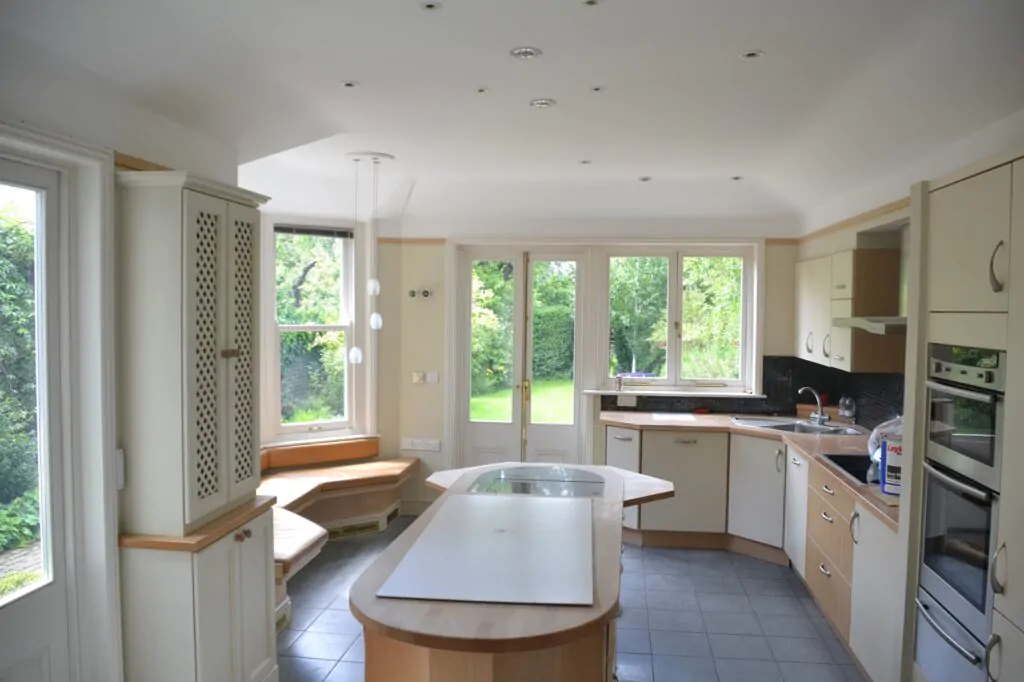
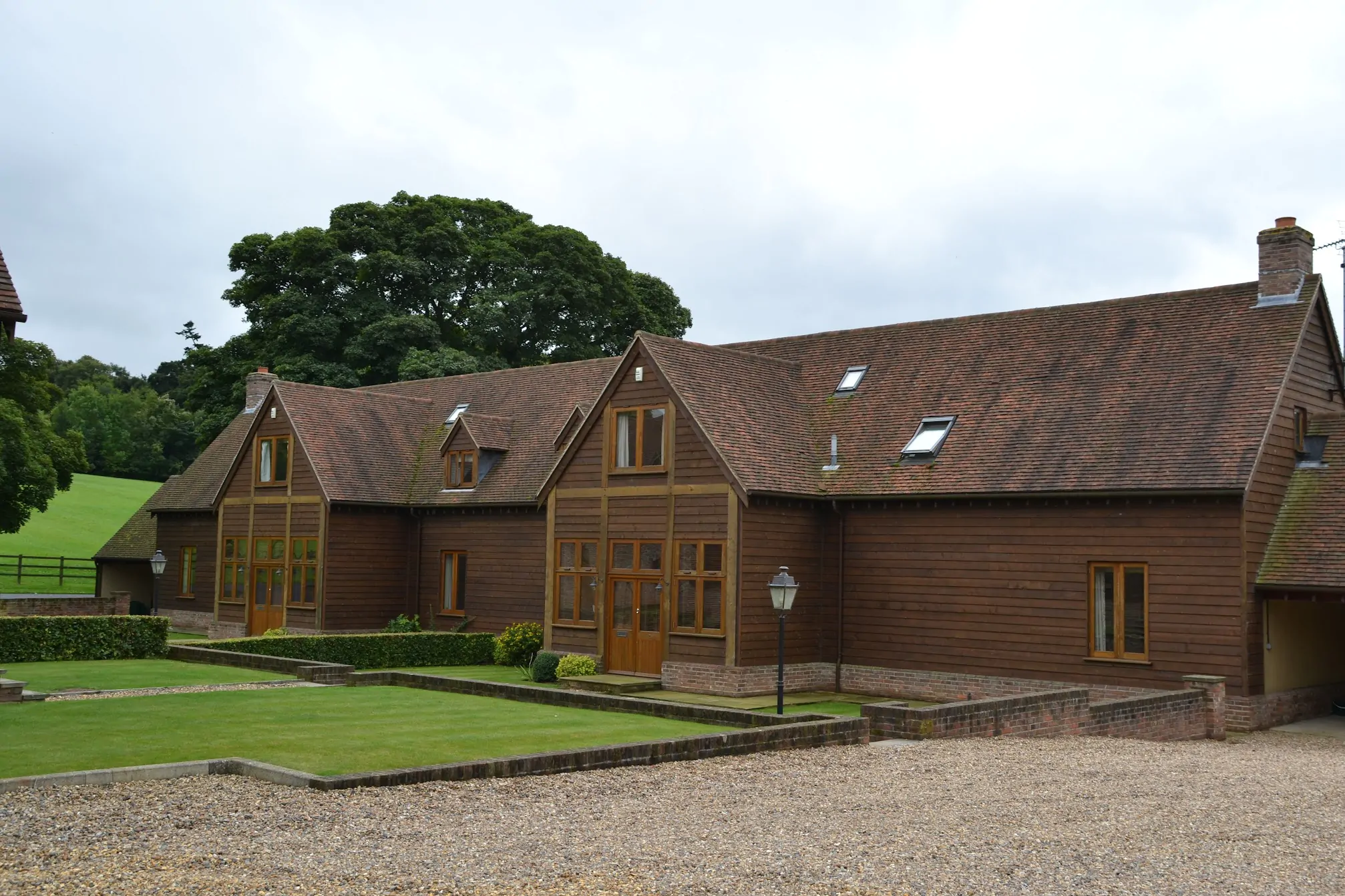
Wallpapering a Grade II listed home is not the same job as papering a new-build. The walls are rarely flat, the plaster is often original, and you cannot strip back to a perfect substrate without risking the very fabric that earns the listing. This case study walks through a recent project where we changed the wallpaper and redecorated across several rooms of a Grade II listed property in Surrey, working around lath-and-plaster walls, deep cornices and period joinery.
The brief was straightforward on paper: lift dated, peeling paper, hang a new scheme the owners had chosen, and bring the woodwork and ceilings back to match. The complication was the building itself. On a listed property, even internal decoration has to be handled in a way that respects the historic surfaces, so our wallpaper hangers approached the prep far more cautiously than they would in a modern interior.
Why a listed property changes the approach
A Grade II listing protects the character of the building, and that includes interior features such as mouldings, cornices, panelling and the plaster itself. Most internal redecoration falls within ordinary maintenance, but aggressive stripping, gouging out sound plaster or filling with the wrong material can cross a line. The safe rule, which we follow on every heritage job, is to disturb as little of the original fabric as possible and to keep everything reversible where we can.
That principle shaped the whole sequence on this project. We worked through the same heritage-aware checks we set out in our guide to decorating a listed building in Surrey: confirm what is original, test how the existing finishes behave, and choose products that will not trap moisture in old walls. Where a room sits inside a designated area, the same caution applies to the outside, which we cover in our notes on painting in Surrey conservation areas.
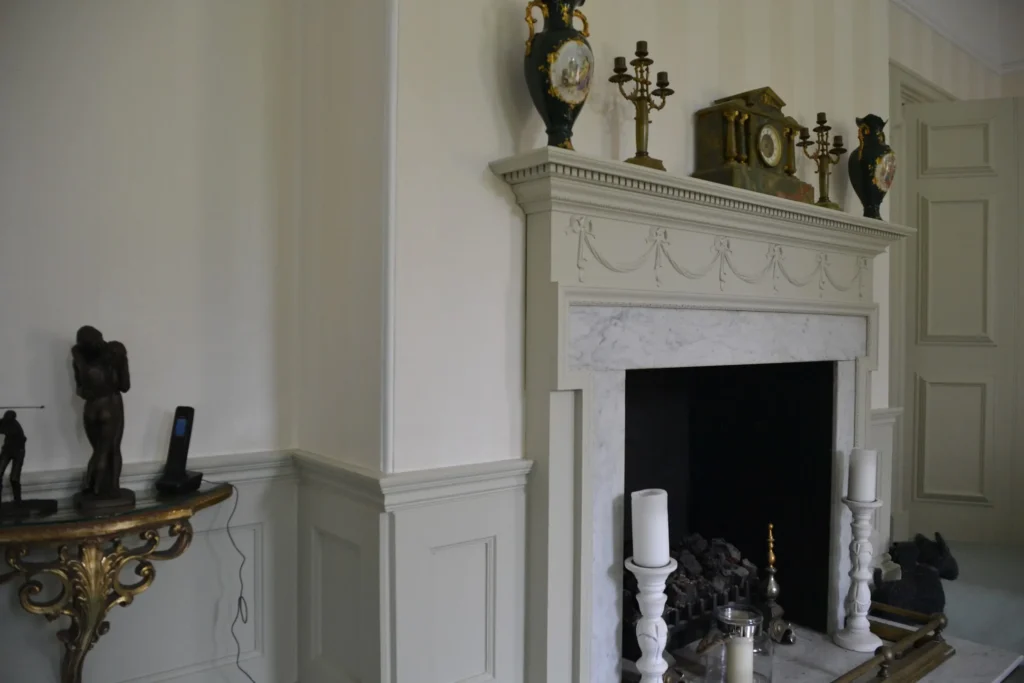
Stripping, prep and getting the walls sound
Stripping old paper from period plaster is the moment most likely to cause damage, so we took it slowly. Rather than soaking the walls or attacking them with an aggressive scraper, we eased the old paper away in sections and kept a close eye on any plaster that felt hollow or loose behind it. A handful of small cracks and blown patches were made good with a flexible filler suited to older walls, left to cure, then sanded back flat without feathering into the surrounding surface more than necessary.
Walls in a house of this age are rarely dead flat or fully sound, and a thorough prep is what stops a smart new paper from telegraphing every flaw. We followed the same disciplined sequence we describe in our guide to preparing walls for painting, then lining and sizing the plaster so the finish paper had a clean, even base to grip. Where a wall still showed slight movement or texture, lining paper hung horizontally evened it out before the decorative paper went on vertically.
Hanging the wallpaper
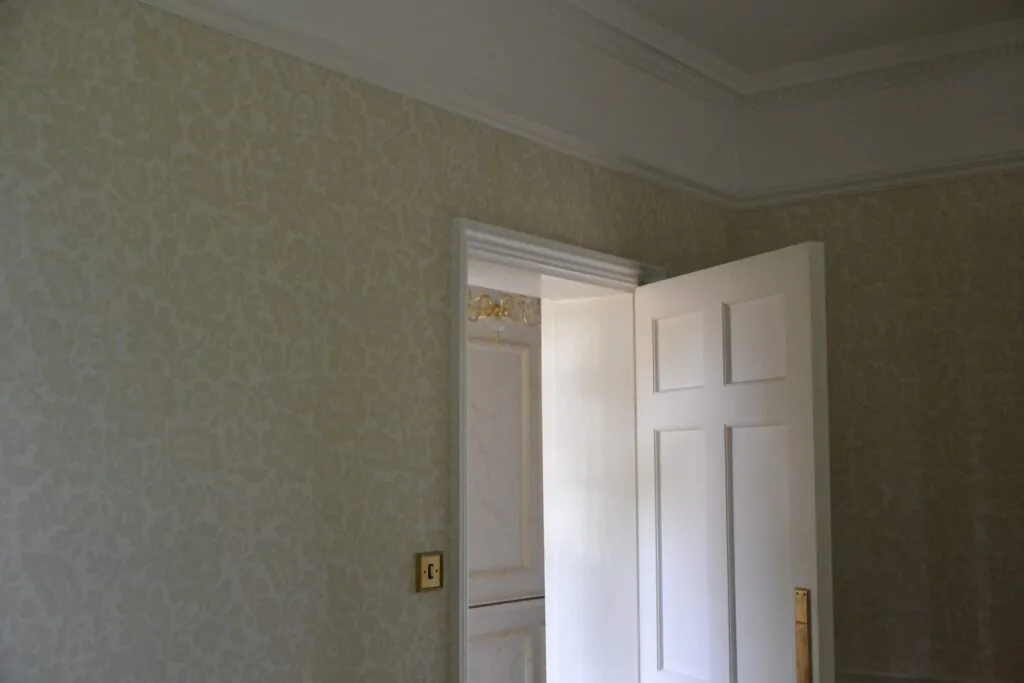
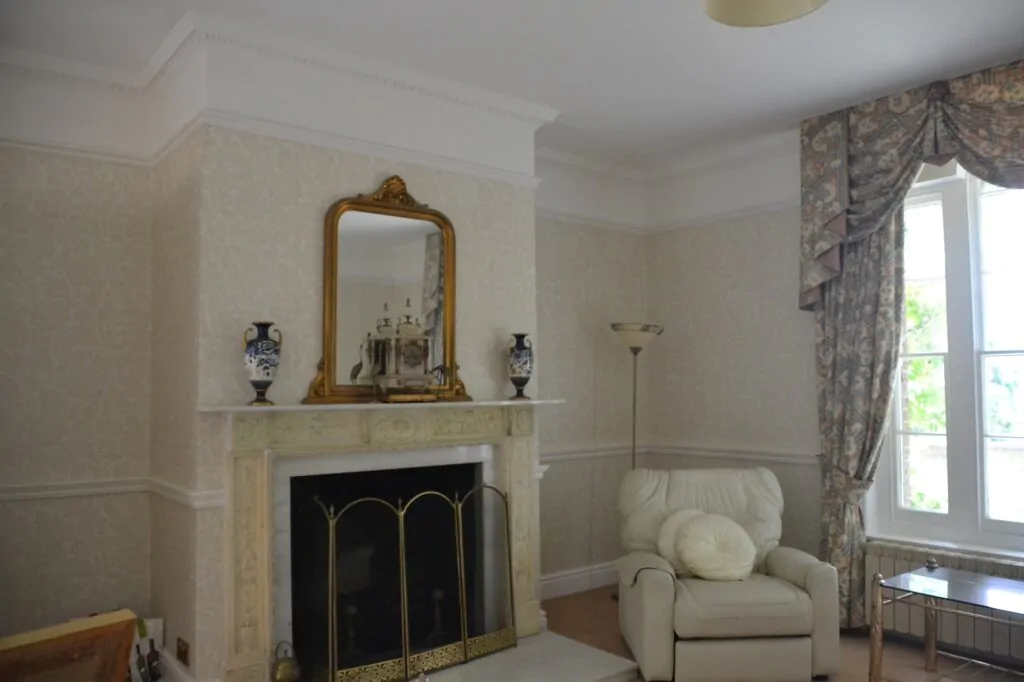
With the substrate ready, the new paper went up room by room. Pattern matching is unforgiving in rooms with tall ceilings and original cornices, so each drop was measured, plumbed to a struck vertical line, and trimmed tight into the moulding rather than run short and caulked. Paste was kept off face surfaces, and we worked the air and excess adhesive out from the centre of each length to avoid bubbles and lifted seams once the paper dried and tightened.
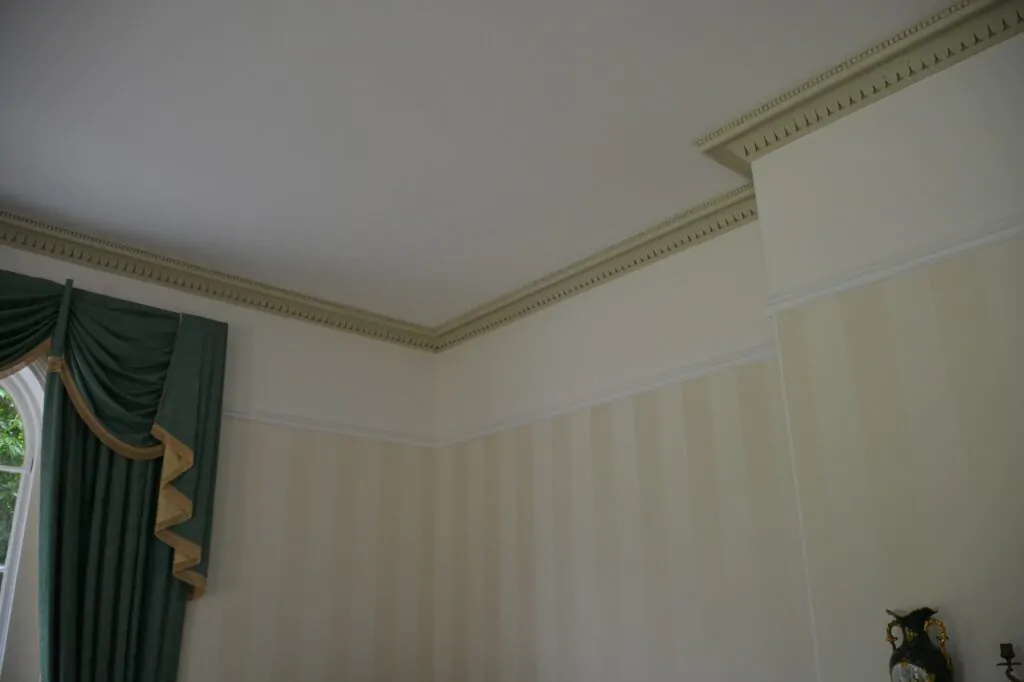
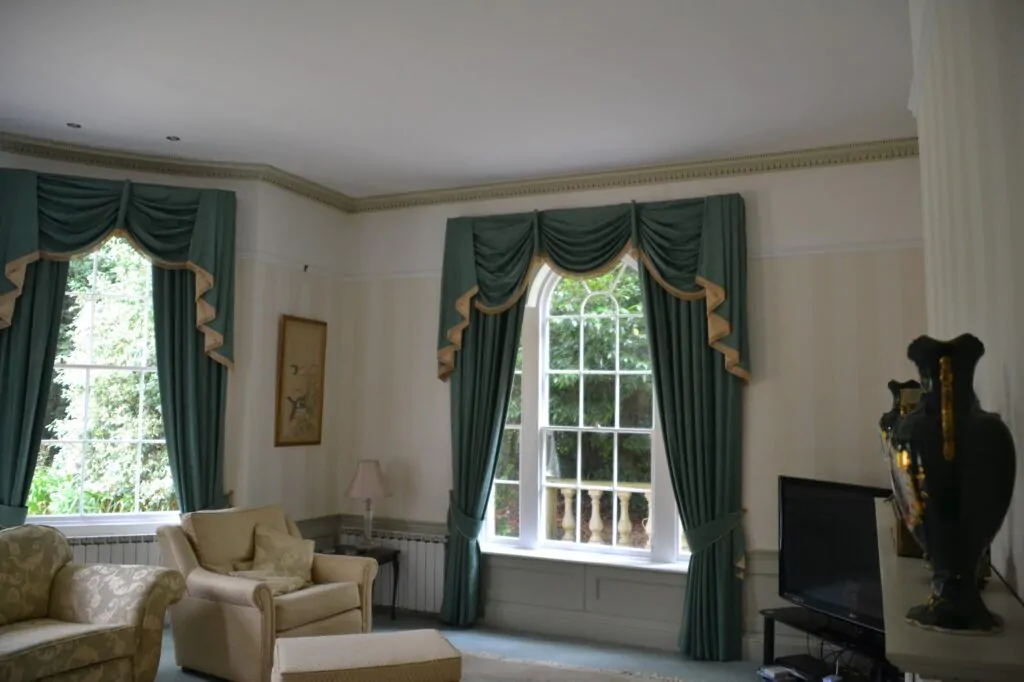
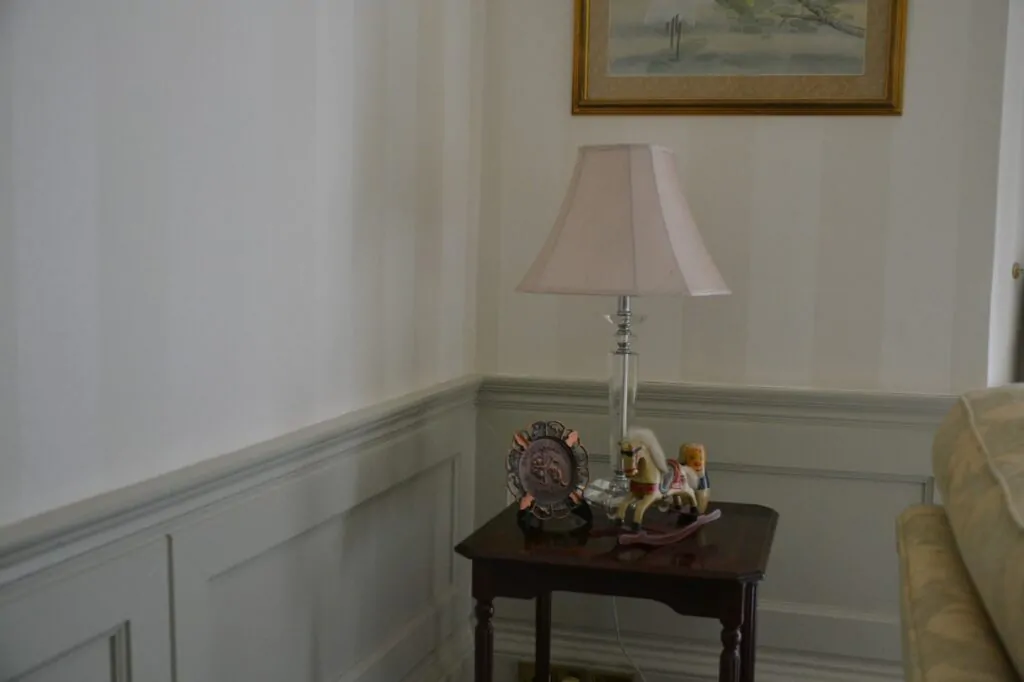
Woodwork and ceilings to finish the rooms
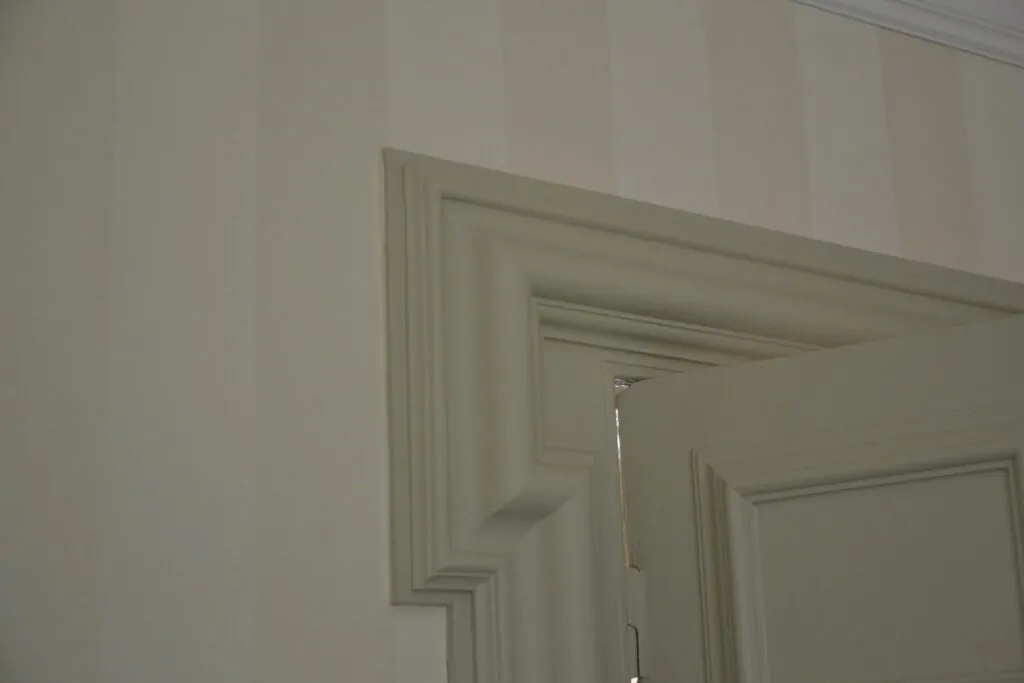
New wallpaper only looks right if the surfaces around it are crisp, so the project also took in the woodwork and ceilings. We filled and caulked the skirtings, architraves and panelling, sanded them back, spot-primed any bare wood, and finished in a hard-wearing interior eggshell that suits period joinery and holds up to handling better than a high-build gloss. Sharp cutting-in where paper met paint kept the lines clean against the new scheme.
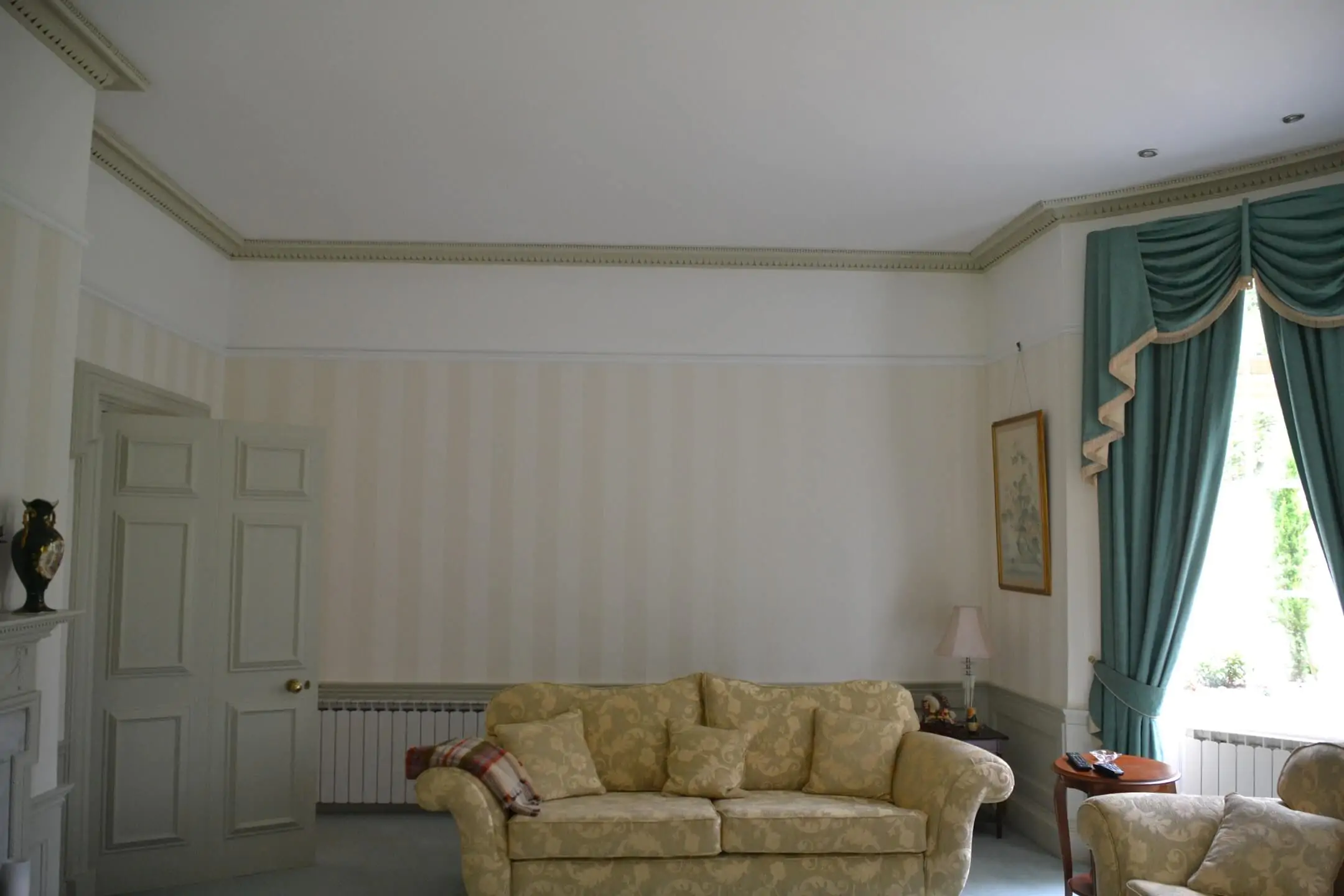
Ceilings were cut in and rolled in a matt emulsion, taking care around the cornice detailing rather than running paint into it. The same care extends to the windows; where a listed home has original sashes, those follow a separate, slower process we set out in our piece on painting wooden windows in period homes.
The result
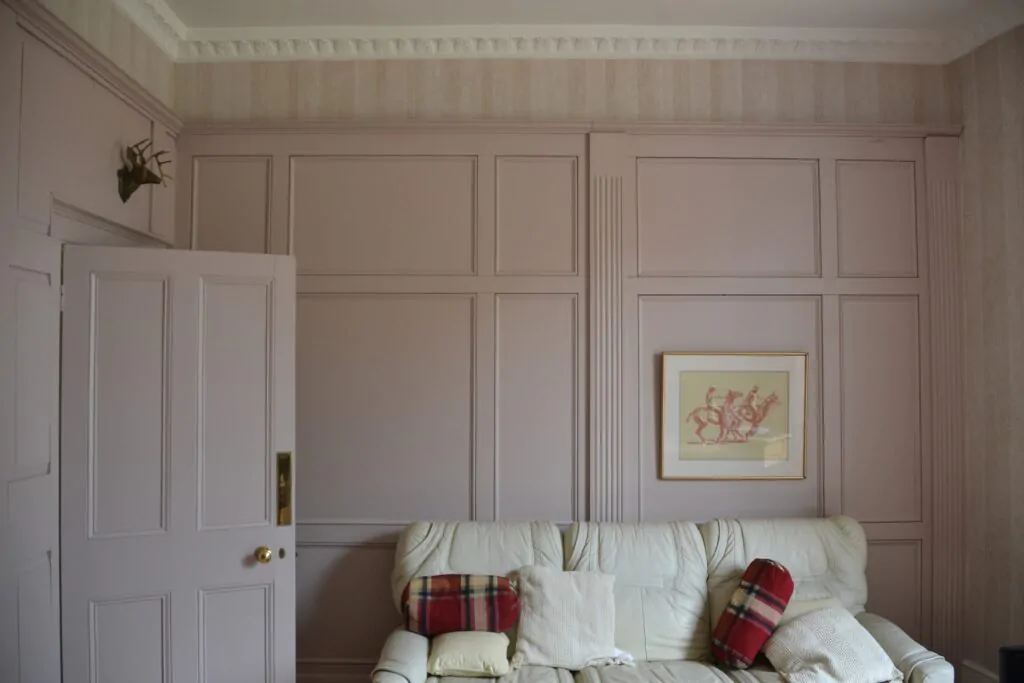
Across the rooms, the finished scheme reads as if it had always belonged to the house: a fresh paper sitting flat against sound walls, sharp woodwork framing it, and the original cornices and panelling left undisturbed. The owners were happy with both the look and the way the work was carried out around a building they care about. If you are weighing paper against paint in a period setting, our guide to wallpaper installation myths clears up a few of the assumptions that put people off, and you can see the wider range of interior painting and decorating we offer alongside paper-hanging.
If you own a listed or period property in Surrey or South West London and want it redecorated by people who will treat it carefully, we are happy to take a look. Get in touch for a free, no-obligation quote and we will talk through your rooms and the right approach for them.